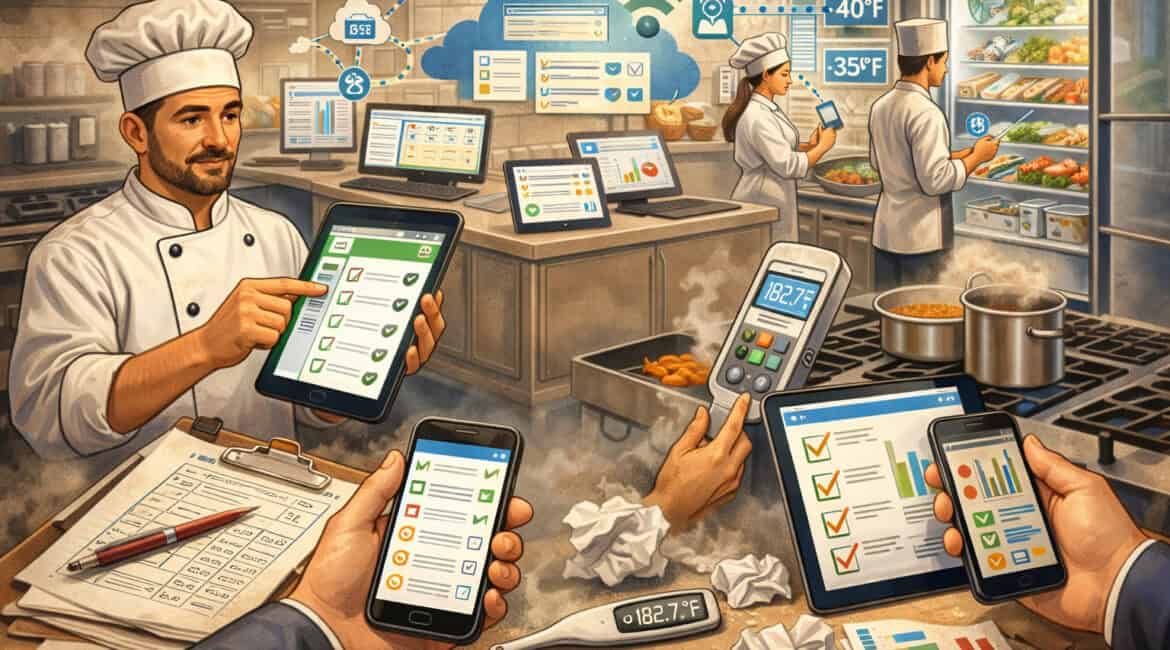
Paper logs have been the default in kitchens for decades: clipboards on coolers, binders by the pass, and handwritten checklists that “prove” things were done. In 2026, more operators are digitalizing your kitchen to reduce missed entries, tighten consistency, and keep teams aligned—without turning the kitchen into an IT project....
How to Link POS Data with Inventory for Real-Time Cost Tracking
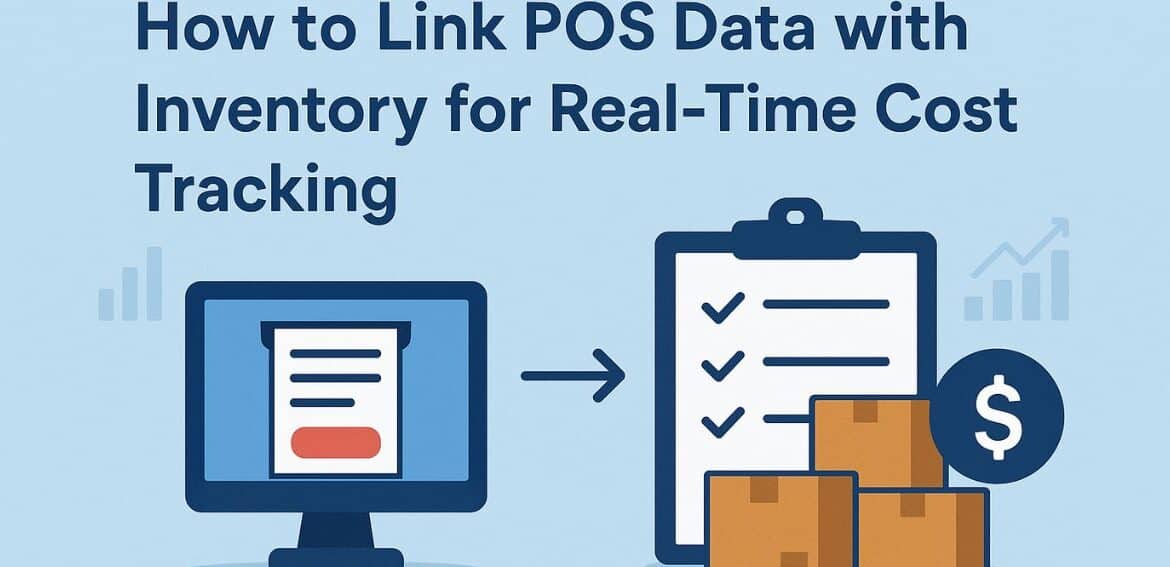
Accuracy and efficiency are now essential for survival in the fast-paced retail and hospitality sectors of today. Businesses are always under pressure to maintain a healthy bottom line while streamlining operations, cutting expenses, and raising customer satisfaction. Integrating POS Data with Inventory is a crucial capability at the core of...
Best Practices for Weekly Restaurant Inventory Audits
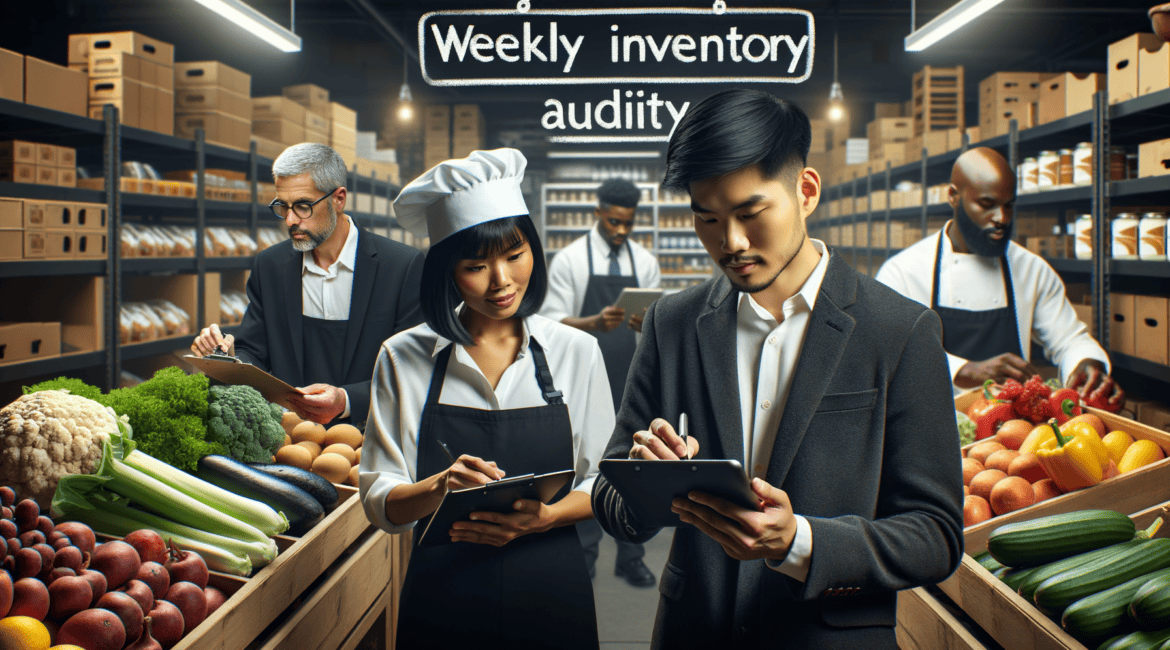
In the fast-paced world of the restaurant industry, keeping track of inventory is crucial for maintaining profitability and efficiency. Weekly restaurant inventory audits are a key component of this process, allowing restaurant owners and managers to monitor stock levels, identify trends, and make informed decisions about purchasing and menu planning....
How to Track Ingredient Usage Accurately in Real-Time
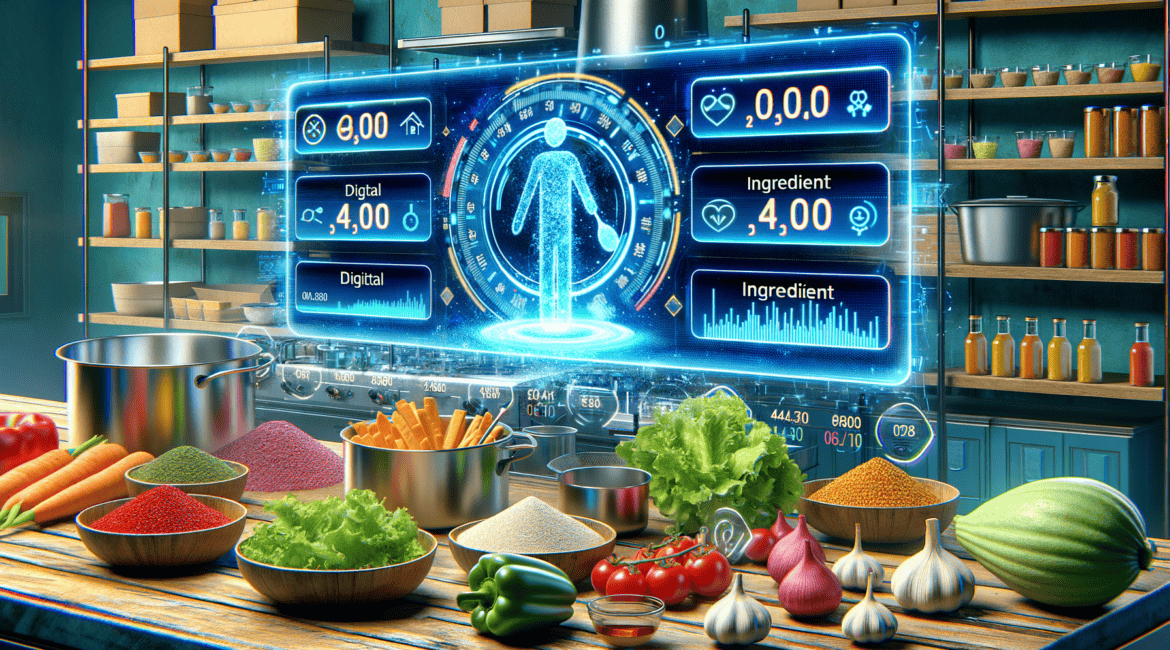
In the food and beverage industry, accurate ingredient tracking is essential for maintaining quality, consistency, and compliance with regulations. Tracking ingredient usage in real-time allows businesses to monitor inventory levels, prevent waste, and optimize production processes. In this comprehensive guide, we will discuss the importance of accurate ingredient tracking, how...
How Restaurants Can Streamline Operations with Cloud Tools

In today's fast-paced and competitive restaurant industry, it is essential for businesses to find ways to streamline their operations and improve efficiency. One of the most effective ways to achieve this is by leveraging cloud tools. Cloud tools offer a wide range of benefits for restaurants, from simplifying inventory management...