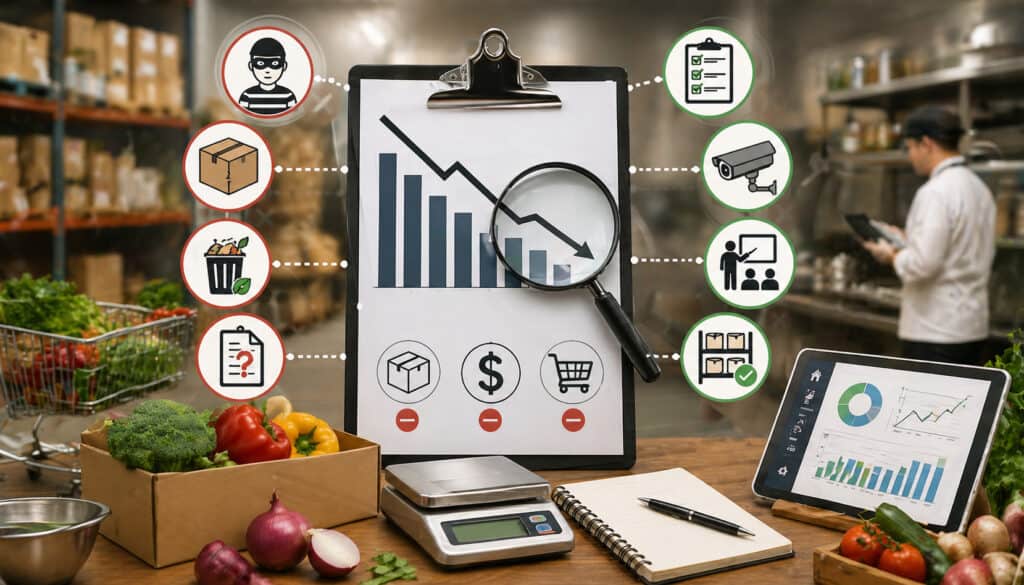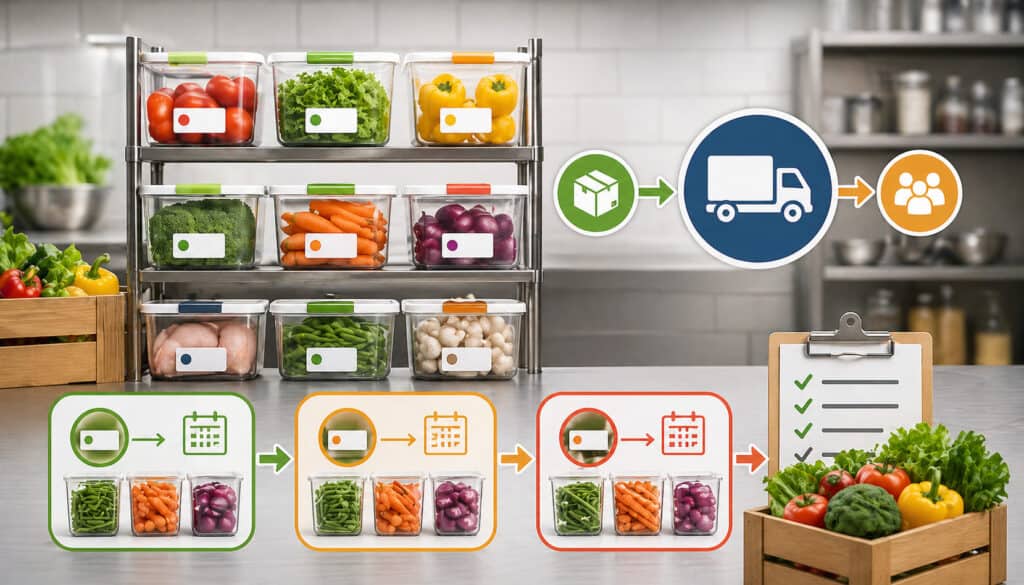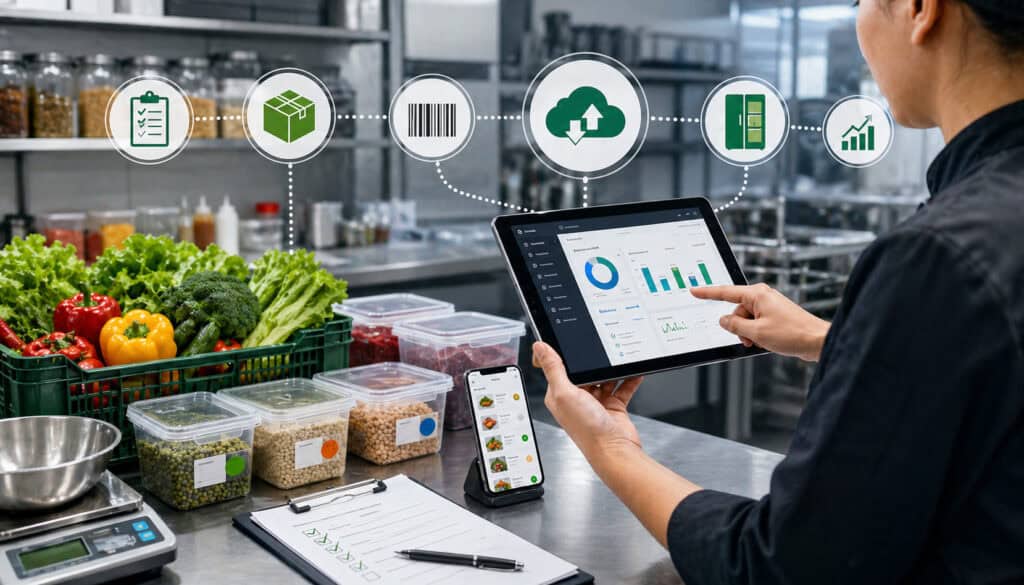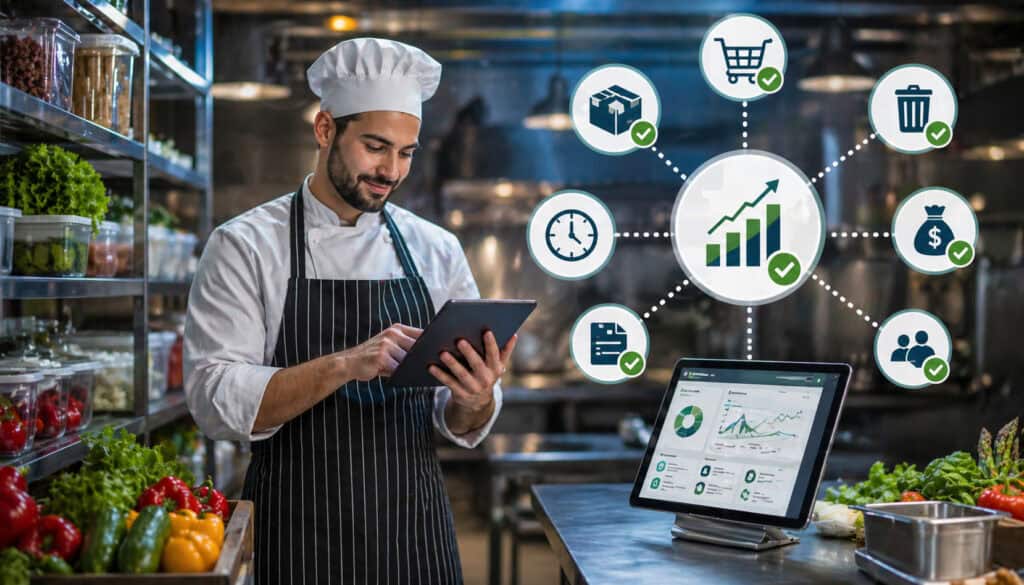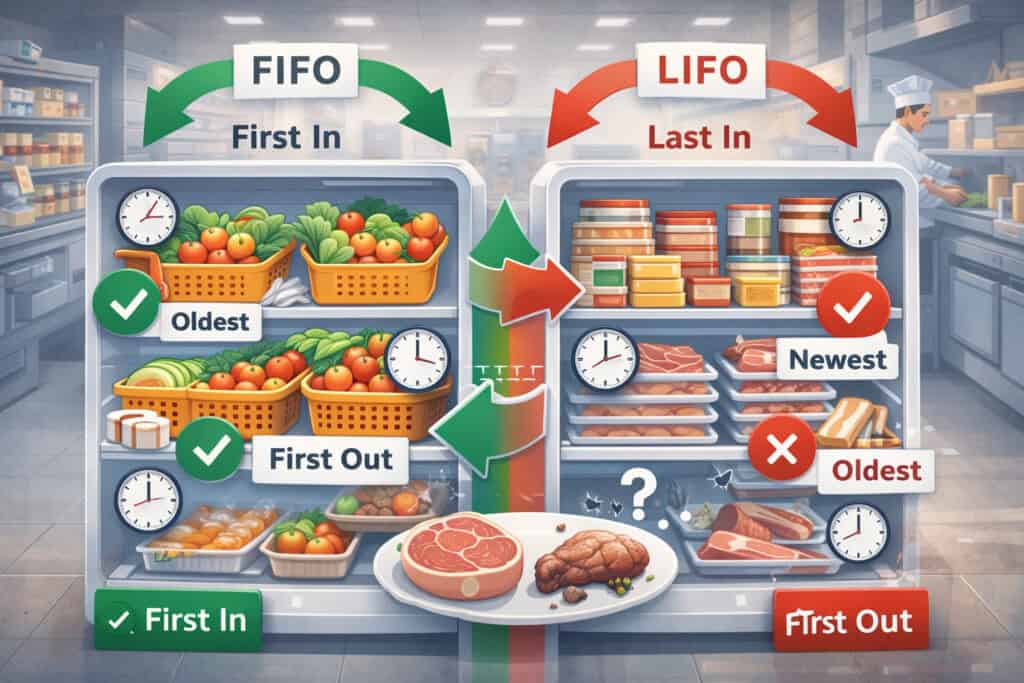
Food waste isn’t just a “too much inventory” problem. In grocery, foodservice, commissaries, meal kits, CPG, and fresh distribution, waste is usually the result of visibility gaps: you don’t know what you have, where it is, what condition it’s in, how old it is, what it will sell as, or...
Cloud POS vs. Traditional Systems: Why Your Food Service Business Needs to Upgrade
Food service has changed faster in the last five years than in the previous twenty. Guest expectations now assume tap-to-pay, digital receipts, mobile ordering, real-time wait updates, loyalty perks, and consistent service whether the order is dine-in, pickup, delivery, or catering. At the center of all of that is the...
How to Use Cloud Kitchen Software for Multi-Brand Inventory Management
Running multiple virtual brands from one kitchen can be wildly profitable—until inventory turns into chaos. One brand sells spicy chicken bowls, another sells tacos, a third sells smoothies, and suddenly you’re juggling overlapping ingredients, different portion sizes, multiple menus, multiple delivery channels, and constant supplier price changes. That’s exactly where...
Why Cloud POS Systems are Essential for Scaling Your Food Business
Scaling a food business is less about “opening another location” and more about repeating a great experience—at speed—without losing margin, quality, or control. The moment you add new channels (online ordering, delivery marketplaces, catering), new service models (counter service, kiosk, QR ordering), or new sites (second kitchen, pop-up, franchise), the...
Integrating Your POS with Inventory Software: A Step-by-Step Guide
POS inventory integration is one of the fastest ways to eliminate stockouts, reduce dead stock, stop manual re-keying, and get real-time visibility across stores, warehouses, and online channels. When POS inventory integration is done correctly, every sale, return, purchase order, transfer, and adjustment updates inventory counts automatically—so your on-hand, available,...
How Cloud Tools Simplify Food Safety Compliance
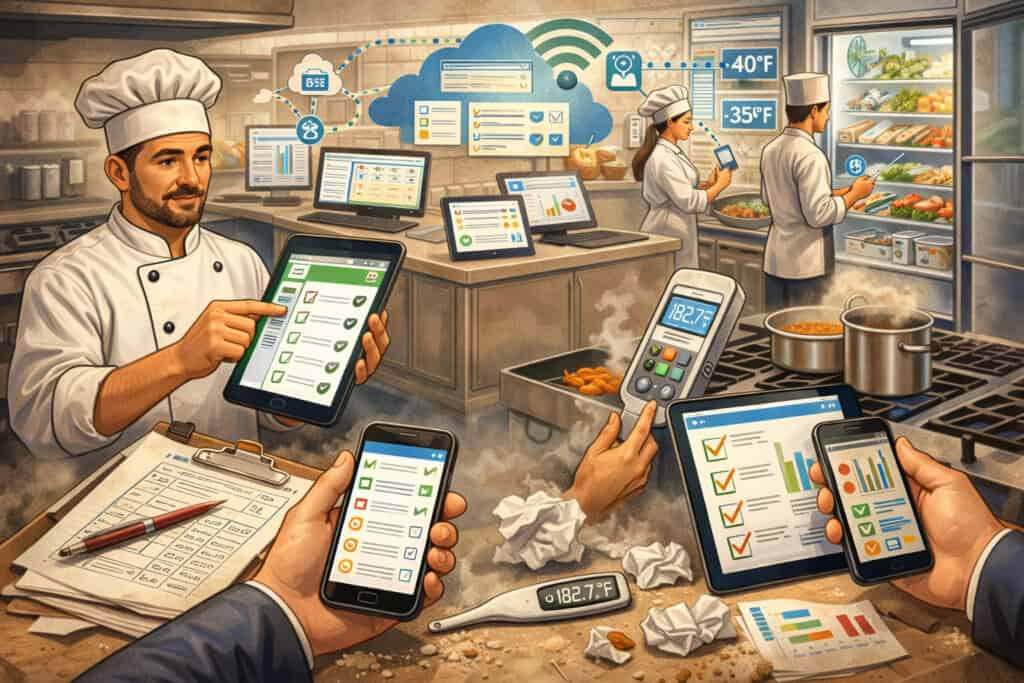
Food safety compliance is critical for protecting consumers and meeting regulations, and cloud computing is transforming how companies achieve it. In the United States, laws like the FDA’s Food Safety Modernization Act (FSMA) require food businesses to maintain detailed records and traceability of high-risk foods. Cloud-based tools – including HACCP...
How Cloud Food Management Helps with Health Inspections
Cloud-based food management systems are transforming how restaurants and food businesses handle safety compliance. These platforms move critical food safety tasks into the cloud, offering digital tools for temperature tracking, checklists, documentation, and analytics. By replacing paper logs and manual processes, cloud food management software helps businesses maintain up-to-date records...
Integrating Food Cost Tracking with POS Systems
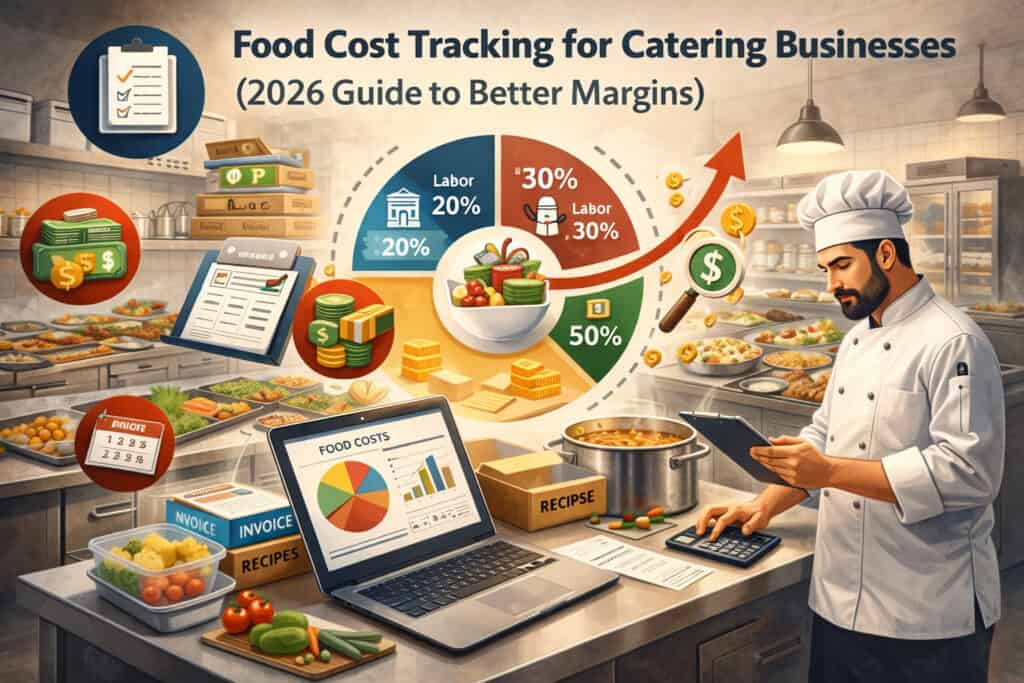
Integrating food cost tracking with POS systems is a game-changer for restaurants and other food businesses. In today’s competitive food industry, profit margins are tight, and every ingredient counts. By connecting your point-of-sale (POS) system with food cost tracking tools, you gain real-time visibility into how much each dish truly...
Top Food Cost Tracking Mistakes Restaurants Make
In the fiercely competitive US restaurant industry, tight profit margins mean that every dollar counts. On average, food and labor each account for roughly one-third of a restaurant’s sales, leaving only around a 5% profit margin. Small mistakes in tracking food costs can thus make the difference between profit and...
How to Calculate Food Costs with Cloud-Based Tools
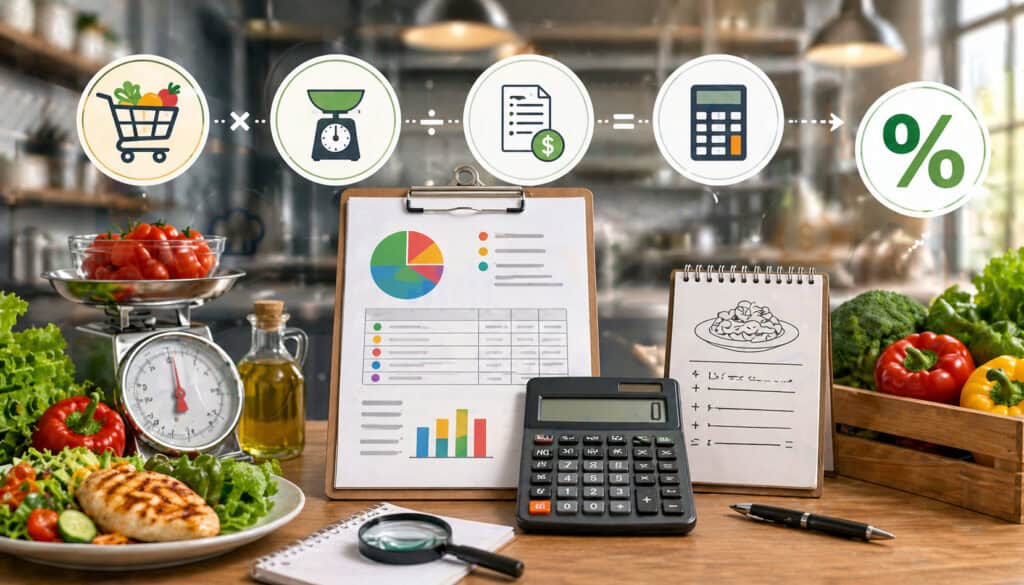
Calculating food costs is a fundamental task for any food business. Whether you run a full-service restaurant, a food truck, or a catering business, understanding your food cost helps ensure profitability. In simple terms, food cost is the money you spend on ingredients compared to the revenue you earn from...