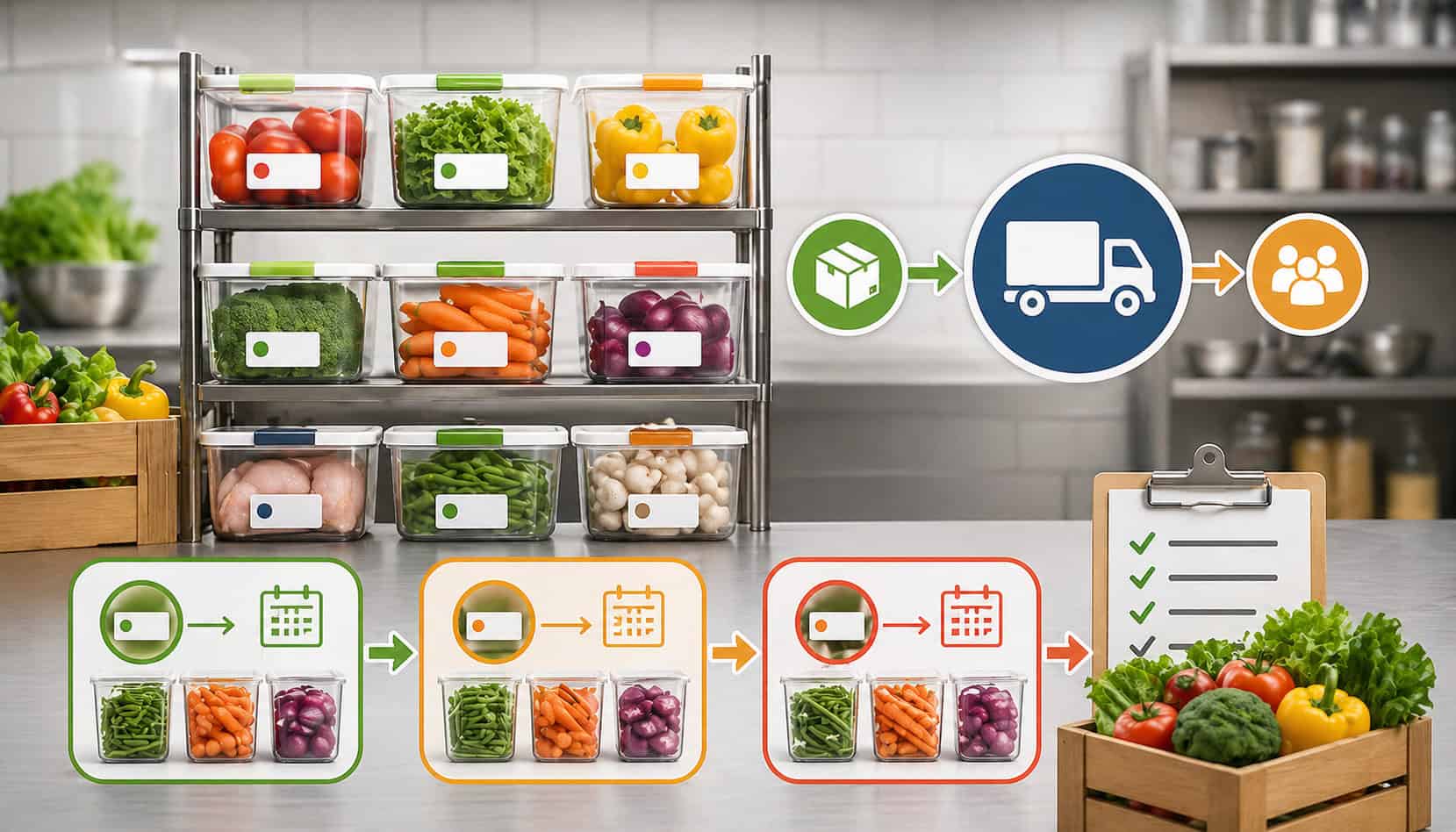
Proper stock rotation is one of the simplest ways to protect freshness, control food costs, and keep a kitchen running smoothly. When ingredients are stored without a clear system, older products can get pushed to the back, expiration dates can be missed, and usable food can turn into waste before anyone notices.
That is where FIFO in food inventory becomes essential. FIFO stands for “First In, First Out,” which means the food that enters storage first should be the food used first. In a busy restaurant, catering kitchen, café, hotel, bakery, or food service operation, this inventory rotation method helps teams use older stock before newer deliveries.
FIFO supports food safety practices, food waste reduction, expiration date tracking, kitchen inventory management, and restaurant stock control. It also makes daily prep easier because staff know exactly which ingredients to use first.
When done well, a food inventory FIFO system is not complicated. It depends on clear labels, organized storage, staff training, regular checks, and reliable tracking.
What Is FIFO in Food Inventory?
FIFO in food inventory means “First In, First Out.” It is a stock rotation system where the oldest received or prepared items are used before newer items. In practice, this means placing older ingredients in front, on top, or in the easiest-to-reach position, while newer stock is stored behind or underneath.
The first in first out food inventory method is especially important for items with limited shelf life. This includes fresh produce, dairy, meat, seafood, prepared sauces, frozen foods, baked goods, dry goods, canned products, beverages, and packaged ingredients.
For example, if a kitchen receives two cases of lettuce on different days, the older case should be used first. If the newer case is placed in front, staff may grab it during service, leaving the older case to spoil. FIFO prevents that by making the correct choice obvious.
FIFO also applies to prepared foods. If a kitchen makes tomato sauce on Monday and again on Tuesday, the Monday batch should be used first as long as it is still safe and within its use-by window. Clear prep-date labels help staff make that decision quickly.
A strong food inventory FIFO system usually includes:
- Received-date labels
- Prep-date labels
- Use-by dates
- Organized shelving
- Separate storage zones
- Daily date checks
- Manager audits
- Waste logs
- Digital inventory records
Why the FIFO Method Matters in Restaurants and Food Service
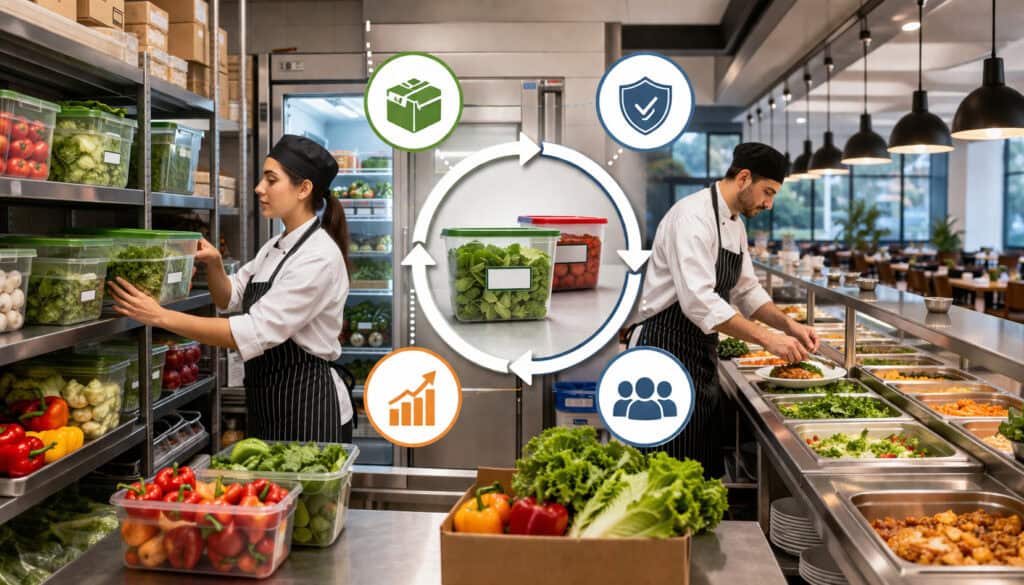
The FIFO method in restaurants matters because food service businesses operate with tight timing, short shelf lives, and constant movement. Deliveries arrive, prep teams produce batches, line cooks pull ingredients, and managers place new orders. Without a consistent rotation system, inventory can become difficult to control.
Poor rotation creates several problems. Ingredients may expire unnoticed. Older products may lose quality before they are used. Staff may open duplicate containers because they cannot see what is already available. Managers may overorder because inventory counts look confusing or incomplete.
FIFO helps prevent these issues by creating a predictable flow from receiving to storage to prep to service. It keeps older stock moving forward and newer stock waiting its turn. This supports better food safety practices because staff are less likely to use expired or questionable products.
FIFO also helps with consistency. Restaurants depend on predictable flavor, texture, and appearance. If one shift uses fresher ingredients while another unknowingly uses aging stock, menu quality can vary. Guests may notice differences in salad freshness, sauce flavor, baked goods, or garnish quality.
From a financial perspective, FIFO supports food waste reduction and better purchasing accuracy. When managers can see what is aging, what is being used, and what is being wasted, they can adjust orders more intelligently. For a deeper look at waste control, this guide on real-time food inventory tracking and waste reduction is a useful companion resource.
FIFO also supports compliance and accountability. Date labels, storage logs, and inventory records show that the business follows organized food storage rotation practices. That matters for internal audits, safety checks, and team training.
How FIFO Works Step by Step
FIFO works by controlling the movement of food from the moment it arrives until it is used, transferred, discarded, or counted. The process should be simple enough that every team member can follow it during a busy shift.
The goal is to remove guesswork. Staff should not have to wonder which container is older, which case should be opened first, or whether a product is still usable. Labels, shelf placement, and routine checks should answer those questions quickly.
Here is a practical FIFO workflow:
| FIFO Step | What to Do | Why It Matters |
| Receive inventory | Inspect delivery dates, packaging, temperature, and condition | Prevents unsafe or damaged products from entering storage |
| Label items | Add received date, prep date, use-by date, and product name | Helps staff identify what should be used first |
| Store correctly | Place older items in front and newer items behind | Makes FIFO the natural choice during service |
| Rotate stock | Move older safe items forward after each delivery | Prevents older products from being buried |
| Use older stock first | Train prep and line staff to pull oldest safe items | Reduces spoilage and improves freshness |
| Check dates daily | Review walk-ins, freezers, dry storage, and prep areas | Catches expiring products before they become waste |
| Record waste | Document spoiled, expired, or discarded items | Helps managers fix ordering and rotation issues |
FIFO should be part of every receiving checklist. The person accepting deliveries should not simply sign the invoice and move boxes into storage. They should check dates, inspect quality, label items, and rotate them into the correct position.
This process also works better when managers assign ownership. One person may be responsible for receiving, another for walk-in checks, and another for daily prep labeling. When responsibilities are unclear, FIFO becomes inconsistent.
Step 1: Check Delivery Dates and Product Condition
FIFO starts before food reaches the shelf. Staff should inspect every delivery for product condition, expiration dates, temperature concerns, damaged packaging, missing labels, and quality issues. This is especially important for refrigerated, frozen, and high-risk perishable items.
If a product arrives too warm, leaking, crushed, opened, moldy, or past its acceptable date, it should not simply be stored and handled later. The team should follow the business’s receiving procedure, which may include rejecting the item, documenting the issue, notifying a manager, or contacting the supplier.
Delivery checks also help with expiration date tracking. If two cases of the same product arrive with different date codes, staff should know which case needs to be used first. The case with the earlier use-by or expiration date should be placed ahead of the later-dated case.
Step 2: Label Items Clearly
Labels are the backbone of a restaurant inventory FIFO system. Without labels, staff are forced to guess. In a busy kitchen, guessing leads to waste, duplicate prep, expired products, and inconsistent food quality.
A useful label should include the product name, received date, prep date if applicable, use-by date, and initials when required by the operation. For prepared foods, labels should be placed where they are easy to read without opening the container.
Consistent labeling is especially important across shifts. The morning prep cook, evening line cook, and closing manager should all understand the same label format. If one person writes “4/5,” another writes “5 Apr,” and another uses no label at all, confusion builds quickly.
Color-coded labels can help, but only if everyone understands the system. The goal is not decoration. The goal is fast, accurate decisions during real kitchen conditions.
Step 3: Store Older Items in Front
Once food is checked and labeled, it must be stored so FIFO happens naturally. Older items should be placed in front, on top, or in the most accessible position. Newer items should go behind, underneath, or in a clearly separate backstock area.
This applies to walk-in coolers, reach-ins, freezers, dry storage, prep tables, speed racks, beverage storage, and catering supply shelves. FIFO stock rotation should be visible and practical.
For example, if a new delivery of yogurt arrives, staff should pull the older yogurt forward and place the new yogurt behind it. If they simply place the new delivery in front, the older product may remain untouched until it expires.
Good storage layout makes FIFO easier. Shelves should not be overcrowded. Similar items should be grouped together. Containers should be clear when possible. Labels should face outward. Heavy items should be stored safely, and products should be kept in their assigned zones.
Step 4: Use Older Stock Before Newer Stock
FIFO only works if staff actually use the older safe stock first. Storage is important, but daily behavior matters more. Prep cooks, line cooks, bartenders, bakers, dish-up teams, and inventory staff all need to follow the same rotation system.
During prep, staff should check labels before opening a new container. During service, line cooks should pull the oldest safe backup first. During restocking, newer products should not be placed in front of older ones just because it is faster.
Managers should reinforce this during shift checks. If a newer container is opened while an older safe one is still available, the issue should be corrected immediately. The goal is coaching, not blame.
FIFO Stock Rotation Best Practices
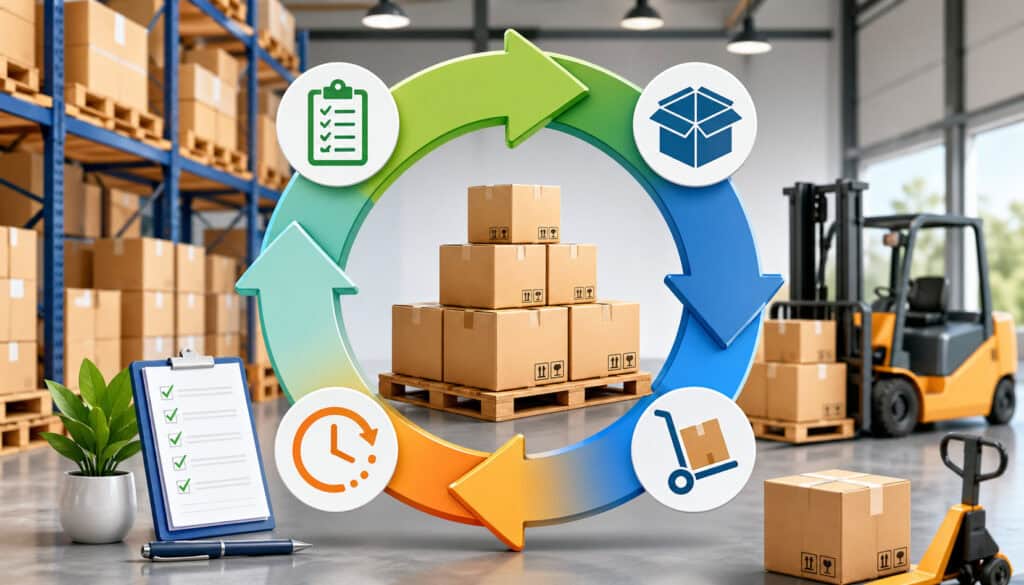
FIFO stock rotation works best when it is built into the kitchen’s daily rhythm. A written policy is useful, but the real test is whether staff follow it during receiving, prep, service, restocking, and closing.
The first best practice is to label every item that is not already clearly marked. This includes opened packages, prepared foods, transferred ingredients, sauces, garnishes, thawed products, and bulk items placed into bins. Labels should be easy to read and placed consistently.
The second best practice is to keep storage areas organized. FIFO becomes difficult when shelves are crowded, containers are stacked randomly, or products are stored in multiple locations without records. Clear zones help staff find items quickly and rotate them correctly.
Another best practice is to separate old and new stock during receiving. Before placing new products on the shelf, staff should move older products forward. This small habit prevents most FIFO failures.
Daily date checks are also important. Managers or assigned staff should inspect key storage areas for short-dated items, unlabeled containers, damaged packaging, and products that are not in their assigned location.
Par levels also support FIFO. If a kitchen orders too much, even perfect rotation may not prevent waste. Par levels should reflect realistic usage, menu demand, supplier lead times, and storage capacity.
Useful FIFO best practices include:
- Label all opened, prepped, and transferred items
- Face labels outward
- Group similar products together
- Use clear containers where practical
- Keep shelves clean and uncluttered
- Move older stock forward after each delivery
- Check dates at the start or end of each shift
- Record waste with reasons
- Review short-dated items before ordering
- Train new staff before they handle storage
For teams evaluating digital systems, this overview of cloud food inventory management explains how centralized tracking can support better visibility across ingredients, supplies, and stock levels.
Use Consistent Labels and Date Marking
Consistent labels make FIFO easier for everyone. A kitchen may have multiple shifts, multiple managers, and different experience levels among staff. If each person uses a different marking style, the system becomes unreliable.
A standard label format should define what information is required and where it should appear. For example, the label may include product name on the first line, prep date on the second line, use-by date on the third line, and staff initials at the bottom.
Prepared foods need especially clear labeling because they may not have manufacturer packaging. Sauces, chopped vegetables, cooked proteins, desserts, dressings, and marinades should be labeled immediately after prep or transfer.
Organize Storage Areas by Category
Storage organizations support food storage rotation because staff can quickly see what is available and what should be used first. When similar items are scattered across multiple shelves, older stock is easy to miss.
Categories may include dairy, produce, proteins, sauces, dry grains, baking ingredients, canned goods, beverages, frozen items, packaging, and catering supplies. Within each category, older items should sit in front of newer ones.
Clear shelf labels can help. For example, a dry storage area may have dedicated zones for flour, sugar, rice, canned tomatoes, oils, spices, and disposables. A walk-in cooler may have zones for produce, dairy, cooked foods, raw proteins, and ready-to-eat items.
Good organization also improves speed. During service, staff should not waste time searching through mixed boxes or unlabeled containers. FIFO should make storage cleaner, safer, and easier to use.
Common FIFO Mistakes to Avoid
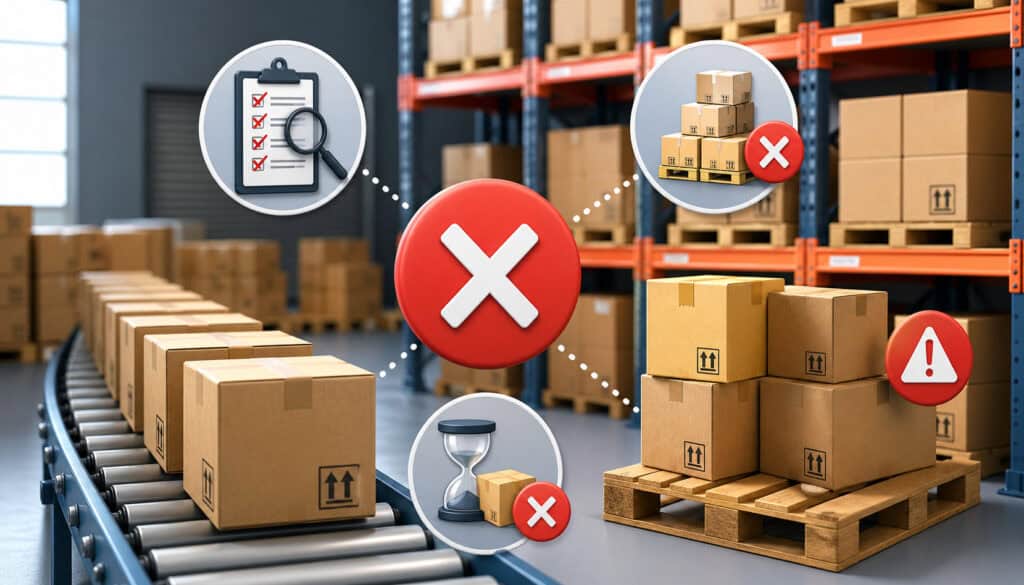
Even experienced kitchens can struggle with FIFO when operations get busy. The most common mistake is placing new deliveries in front of older stock. This usually happens when staff are rushing, storage areas are crowded, or receiving responsibilities are unclear.
Another frequent mistake is skipping labels. An unlabeled container may look usable, but staff cannot confidently identify its age. This leads to either unsafe use or unnecessary waste. Both outcomes are avoidable.
Mixing old and new batches is another problem. For example, adding new chopped onions into an older container makes it harder to track freshness. It can also cause the newer batch to be discarded earlier than necessary if the old use-by date remains on the container.
Many kitchens also forget that FIFO applies to dry goods. Flour, rice, spices, canned goods, oils, and packaged items may last longer than fresh ingredients, but they can still expire, lose quality, attract pests, or become stale.
Freezer inventory is another weak spot. Frozen foods can be forgotten because they appear stable for longer periods. Without FIFO, older frozen items may suffer quality loss, freezer burn, or become buried under newer cases.
Overordering is also a FIFO issue. If too much stock enters the kitchen, staff may not use products before quality declines. FIFO helps, but it cannot fully solve purchasing habits that exceed actual demand.
Common FIFO mistakes include:
- New deliveries placed in front of old stock
- Missing or unclear labels
- Old and new batches combined
- Dry goods ignored
- Freezer items left unchecked
- Too much inventory ordered
- Staff trained once but not refreshed
- Waste not recorded
- Storage areas allowed to become overcrowded
How FIFO Helps Reduce Food Waste and Control Costs
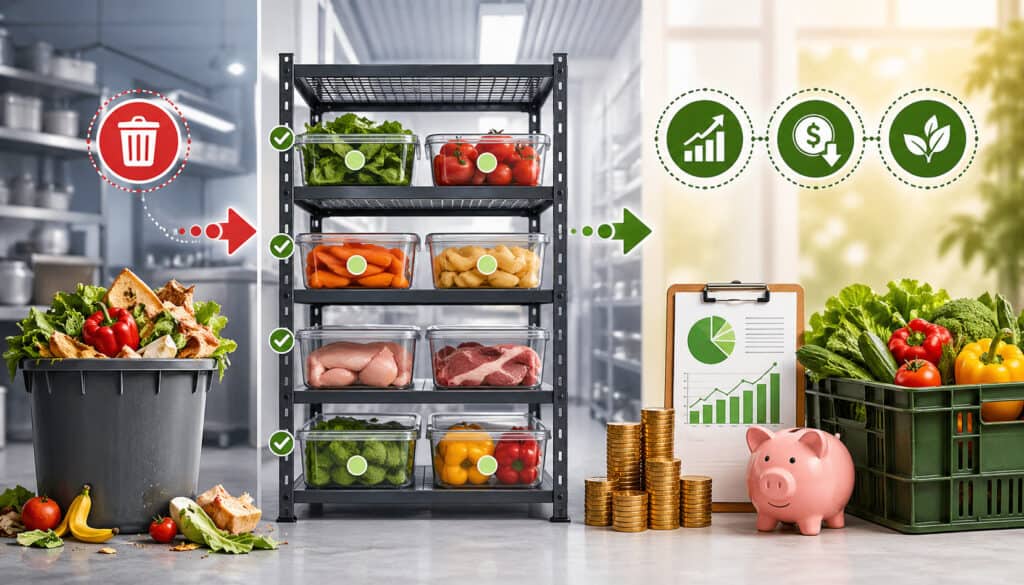
FIFO in food inventory is one of the most practical tools for food waste reduction. Food waste often happens quietly. A case of herbs gets buried behind a newer delivery. A sauce expires because a newer batch was opened first. A frozen item loses quality because no one checked the date.
FIFO reduces these losses by making older safe inventory visible and usable. When products move through storage in the right order, fewer items expire before they are used.
This directly supports cost control. Every discarded ingredient represents money spent without revenue returned. Waste also creates hidden labor costs because staff spend time receiving, storing, moving, counting, and eventually discarding products that should have been used.
FIFO helps managers spot purchasing problems. If the same ingredient regularly expires, the issue may not be staff performance. It may be overordering, inaccurate par levels, poor menu forecasting, supplier minimums, or low sales of a specific menu item.
Waste logs are powerful when paired with FIFO. Managers can review what was discarded, why it was discarded, and where the process failed. For example, if dairy is repeatedly wasted, the team can review order quantities, delivery frequency, prep usage, and shelf rotation.
FIFO can also improve cash flow. Better rotation means businesses can keep less excess stock while still having what they need. This reduces money tied up in unused inventory.
For a broader look at inventory technology and waste prevention, this article on cloud inventory tools that help prevent food waste explains how real-time tracking, expiration management, and forecasting can support better decisions.
FIFO and Food Safety Compliance
FIFO supports food safety practices by helping teams control product age, reduce expired stock, and maintain more consistent storage habits. While FIFO is not the only food safety requirement, it is a practical part of safer kitchen operations.
Food safety depends on knowing what a product is, when it arrived, when it was prepared, how it was stored, and when it should be used or discarded. FIFO strengthens each of those points by encouraging accurate labeling and organized movement.
Expiration date tracking is especially important for refrigerated and ready-to-eat foods. If labels are missing or stock is not rotated, expired items may remain in use areas. FIFO reduces that risk by bringing older items forward for earlier use or review.
FIFO also improves traceability. If a supplier issue, quality concern, or recall occurs, managers need to identify which products are affected. Organized inventory records, date labels, and lot information can help teams respond faster and more accurately.
Consistent rotation also supports cleaner storage areas. When staff regularly move, check, and rotate items, they are more likely to notice spills, damaged packaging, pests, temperature concerns, and forgotten products.
A strong FIFO process should work alongside:
- Safe receiving practices
- Correct storage temperatures
- Separation of raw and ready-to-eat foods
- Proper hand hygiene
- Cleaning and sanitation schedules
- Allergen controls
- Use-by date procedures
- Waste documentation
- Manager verification
Using Technology to Support a Food Inventory FIFO System
A manual FIFO system can work, but technology makes it easier to enforce consistently. Food inventory management software can help teams track product dates, stock levels, supplier details, waste, and purchasing patterns from one place.
Digital tools are especially useful for multi-location operators, catering teams, high-volume kitchens, and businesses with many perishable items. Paper labels and shelf checks still matter, but software gives managers better visibility into what is on hand and what needs attention.
A food inventory FIFO system may include barcode scanning, mobile inventory counts, expiration date tracking, reorder alerts, waste reports, purchase order history, and supplier records. These features help staff make faster decisions and reduce missed dates.
Technology also helps managers compare expected inventory with actual inventory. If the system shows that a product should still be on hand but the shelf is empty, the team can investigate waste, theft, over-portioning, counting errors, or unrecorded prep usage.
Digital inventory tools can also support restaurant stock control by connecting purchasing with real usage. Instead of ordering based only on habit, managers can review current stock, upcoming demand, and items nearing expiration.
For operators comparing system capabilities, this guide to features in cloud food inventory solutions may help identify tools that support tracking, reporting, and inventory control.
Expiration Date Tracking
Expiration date tracking is one of the most valuable technology features for FIFO. Instead of relying only on staff to notice labels during a busy shift, digital reminders can highlight items that need to be used soon.
For example, an inventory system may show that a case of dairy, a batch of sauce, or a tray of prepared vegetables is nearing its use-by date. Managers can then adjust prep plans, specials, purchasing, or waste prevention actions.
Digital expiration tracking is also useful for catering businesses. When events require large ingredient volumes, it is easy to overbuy or hold extra stock after an event. Tracking dates helps teams plan usage before products lose quality.
Software does not replace physical labels. Staff still need visible date marks on containers and shelves. The best approach combines digital alerts with clear on-site labeling.
Inventory Reports and Waste Tracking
Inventory reports help managers understand where FIFO is working and where it is breaking down. A single expired item may be a small mistake. A repeated pattern shows a process problem.
Waste tracking reports can reveal which ingredients spoil most often, which storage areas create the most loss, and which menu items may be driving excess prep. These insights help managers adjust par levels, prep batches, purchasing frequency, and supplier order sizes.
Reports also improve accountability. Instead of relying on memory, managers can review actual waste reasons such as expired, damaged, over-prepped, returned, spilled, or poor quality on arrival.
FIFO for Different Types of Food Inventory
FIFO applies to nearly every type of food inventory, but the details vary by category. A strong kitchen inventory management process should define how each product type is received, labeled, stored, rotated, and checked.
Refrigerated items usually need the closest attention because they often have shorter shelf lives. Dairy, produce, cooked foods, sauces, dressings, and ready-to-eat items should be clearly labeled and checked daily.
Frozen foods also need FIFO. Although freezing extends shelf life, it does not make inventory permanent. Older frozen items should be placed in front or on top, and boxes should be labeled so staff can avoid freezer burn and forgotten stock.
Dry goods need rotation too. Flour, rice, pasta, spices, oils, canned goods, and baking ingredients can expire or lose quality. Opened dry goods should be sealed, labeled, and stored in clean containers when appropriate.
Prepared foods need strict date marking. Soups, sauces, cooked proteins, chopped vegetables, desserts, and marinades should include prep dates and use-by dates. Staff should avoid combining old and new batches.
Beverages and bar inventory also benefit from FIFO. Juices, mixers, dairy-based beverages, bottled drinks, syrups, garnishes, and packaged products should be rotated by date.
Packaging and catering supplies may not spoil like food, but FIFO can still help. Older disposable containers, labels, wraps, napkins, and event supplies should be used before newer stock to prevent damage, dust buildup, or outdated branding.
Examples by category:
- Refrigerated produce: Use the older case of greens before opening the newer case.
- Frozen proteins: Place new boxes behind older boxes and label received dates.
- Dry goods: Rotate older flour, spices, oils, and canned items forward.
- Prepared sauces: Use the oldest safe batch before opening a newer batch.
- Beverages: Check dates on juices, dairy-based drinks, and mixers.
- Catering supplies: Use older packaging stock before opening new cartons.
How to Train Your Team on FIFO
FIFO only works when the whole team understands it. Training should be practical, visual, and repeated often enough that it becomes routine.
Start with a simple standard operating procedure. The SOP should explain how to inspect deliveries, label products, store older items, rotate new deliveries, check dates, and record waste. Keep it short enough that staff can actually use it.
Hands-on training is essential. Show new employees how to rotate a shelf, how to read date labels, where to place new deliveries, and what to do with unlabeled or expired items. Demonstration is more effective than simply telling staff to “follow FIFO.”
Assign clear responsibilities. Receiving staff should know they are responsible for checking and labeling deliveries. Prep staff should know they are responsible for date marking prepared foods. Shift leads should know they are responsible for checking storage areas.
Visual reminders help. Shelf labels, date-label stations, receiving checklists, and color-coded zones can reduce mistakes. Managers can also review FIFO during pre-shift meetings when there are short-dated items that need to be used.
Regular audits keep the system strong. A manager can quickly inspect the walk-in, freezer, dry storage, and prep coolers for labels, date order, expired items, and misplaced products. These checks should be used for coaching and process improvement.
Training should cover:
- What FIFO means
- Why rotation protects safety and quality
- How to label items
- Where to place older and newer stock
- What to do with unlabeled products
- How to handle short-dated items
- How to record waste
- Who to ask when unsure
FAQs
What does FIFO mean in food inventory?
FIFO means “First In, First Out.” In food inventory, it means the oldest safe product should be used before newer stock. Older items are placed in front or on top so staff naturally grab them first.
Why is FIFO important in restaurants?
FIFO is important because restaurants handle perishable ingredients every day. Without rotation, older food can be forgotten, expire, lose quality, or become unsafe. It also helps reduce waste and control food costs.
How do you use FIFO in a kitchen?
To use FIFO in a kitchen, inspect deliveries, label products clearly, store older stock in front, place newer stock behind, and train staff to use older safe items first during prep and service.
What foods should follow FIFO?
Most food inventory should follow FIFO, including produce, dairy, meat, seafood, frozen foods, dry goods, canned items, sauces, prepared foods, desserts, beverages, and packaged ingredients.
How does FIFO reduce food waste?
FIFO reduces food waste by helping teams use older inventory before it expires or loses quality. It also helps managers identify overordering, poor prep planning, and weak storage habits.
What is the difference between FIFO and LIFO?
FIFO means “First In, First Out,” so older inventory is used first. LIFO means “Last In, First Out,” so newer inventory is used first. For food storage, FIFO is usually preferred because food has expiration dates and quality limits.
Can inventory software help with FIFO?
Yes. Food inventory management software can support FIFO by tracking received dates, expiration dates, stock levels, waste, and reorder needs. It can also send alerts for items nearing expiration.
How often should FIFO checks be done?
FIFO checks should happen daily in active food service operations. High-risk areas such as walk-ins, prep coolers, and ready-to-eat storage may need checks every shift.
Conclusion
FIFO in food inventory is a simple system with a major impact. By using older safe stock before newer stock, food service teams can protect freshness, reduce waste, improve food safety, control costs, and keep storage areas organized.
The method works best when it is part of daily operations. Clear labels, correct storage, trained staff, regular date checks, accurate waste logs, and reliable inventory tracking all support a stronger food inventory FIFO system.
For restaurants, catering businesses, kitchens, and hospitality teams, FIFO is more than a storage rule. It is a practical discipline that connects receiving, prep, service, purchasing, and management into one organized flow.
When teams follow it consistently, inventory becomes easier to manage, food quality becomes more predictable, and avoidable waste becomes easier to prevent.