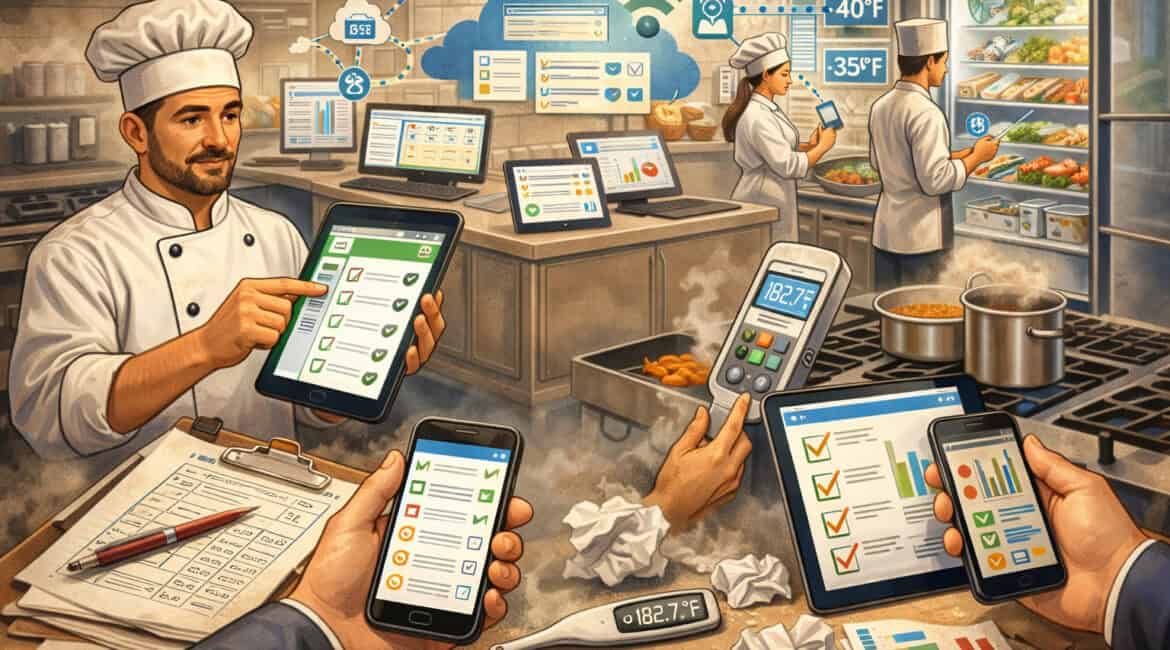
Paper logs have been the default in kitchens for decades: clipboards on coolers, binders by the pass, and handwritten checklists that “prove” things were done. In 2026, more operators are digitalizing your kitchen to reduce missed entries, tighten consistency, and keep teams aligned—without turning the kitchen into an IT project....
Food Cost Tracking for Catering Businesses (2026 Guide to Better Margins)
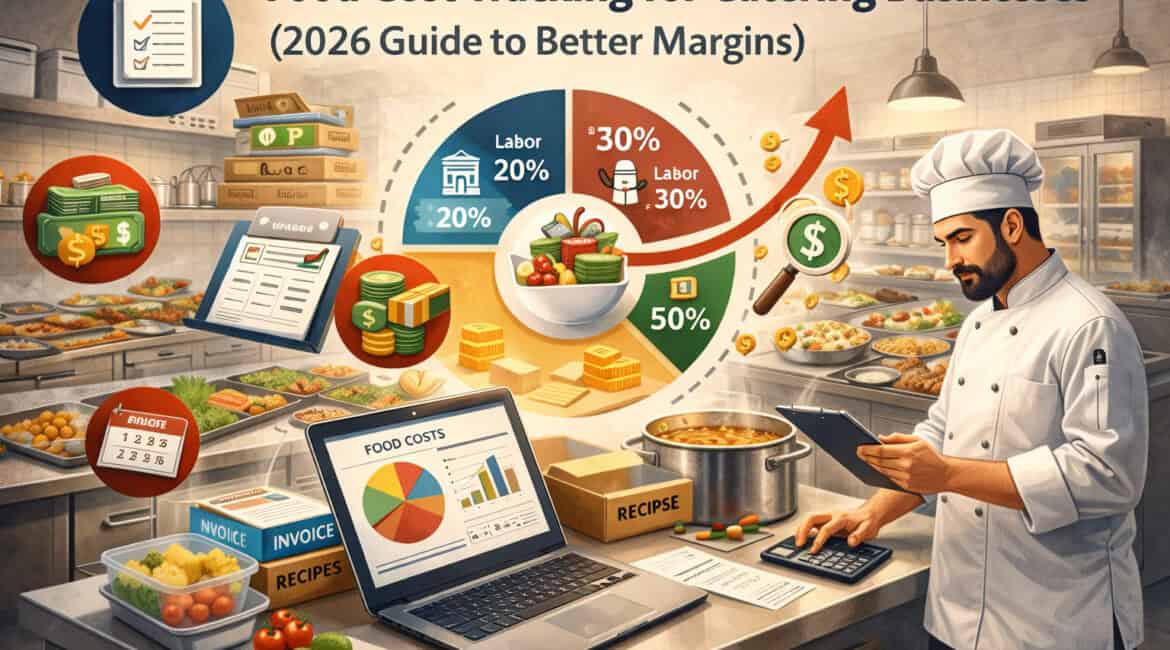
Food cost tracking for catering businesses isn’t just “restaurant food cost, but bigger.” Catering lives in the real world of variable headcounts, unpredictable timelines, off-site cooking conditions, and last-minute changes that can turn a profitable menu into a margin leak. If you want tighter margins in 2026, you need a...
FIFO vs. LIFO in Food Storage: What’s Best for Restaurants? (2026 Operations Guide)
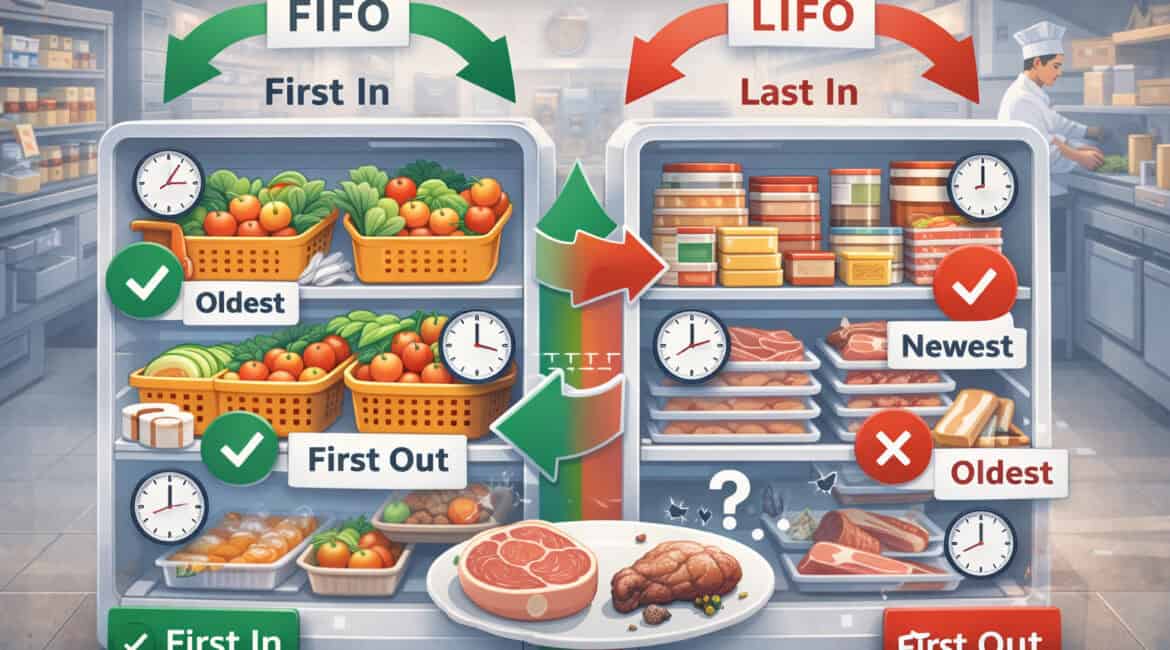
If you’re trying to tighten food safety, cut waste, and keep inventory costs predictable, the conversation usually starts with FIFO vs. LIFO in food storage for restaurants. You’ll hear these terms in accounting and purchasing meetings, but the real win (or loss) happens in the walk-in, on the line, and...
How Real-Time Food Inventory Tracking Reduces Waste (2026 Operations Guide)
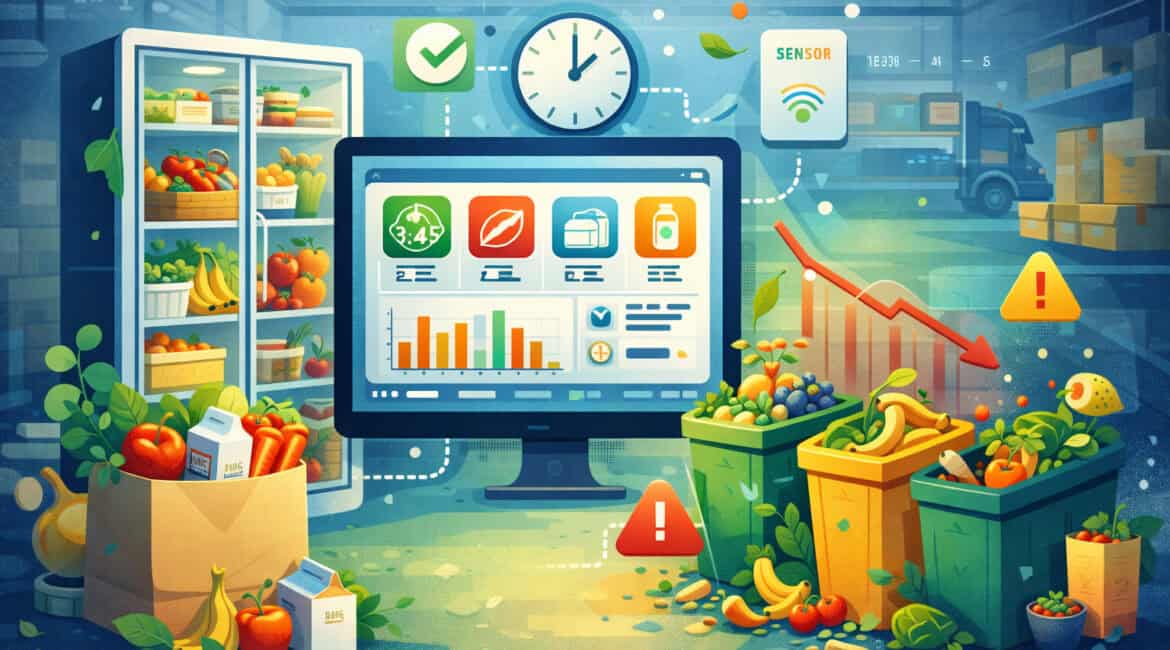
Food waste is rarely a “kitchen problem.” It’s an operations system problem that shows up in the kitchen—through over-ordering, missed expirations, inconsistent portioning, production misfires, and messy purchasing handoffs. This guide explains how real-time food inventory tracking reduces waste in a practical, step-by-step way you can implement without turning your...
10 Ways Real-Time Cloud Inventory Tracking Eliminates Food Waste
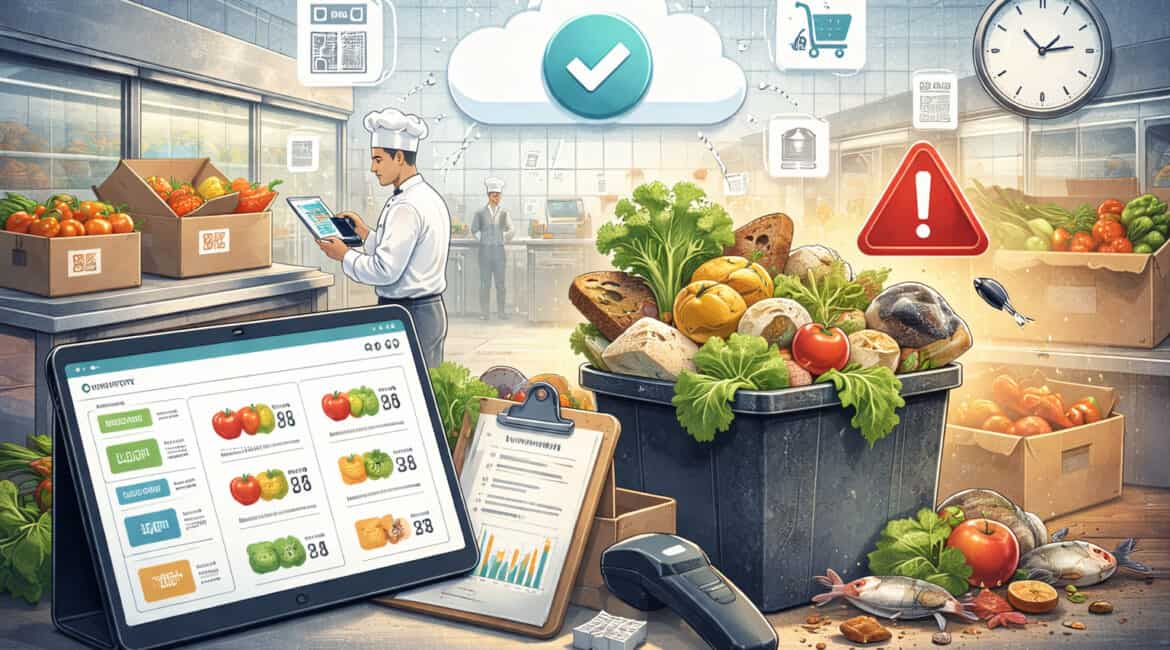
Food waste isn’t just a “too much inventory” problem. In grocery, foodservice, commissaries, meal kits, CPG, and fresh distribution, waste is usually the result of visibility gaps: you don’t know what you have, where it is, what condition it’s in, how old it is, what it will sell as, or...
Cloud POS vs. Traditional Systems: Why Your Food Service Business Needs to Upgrade
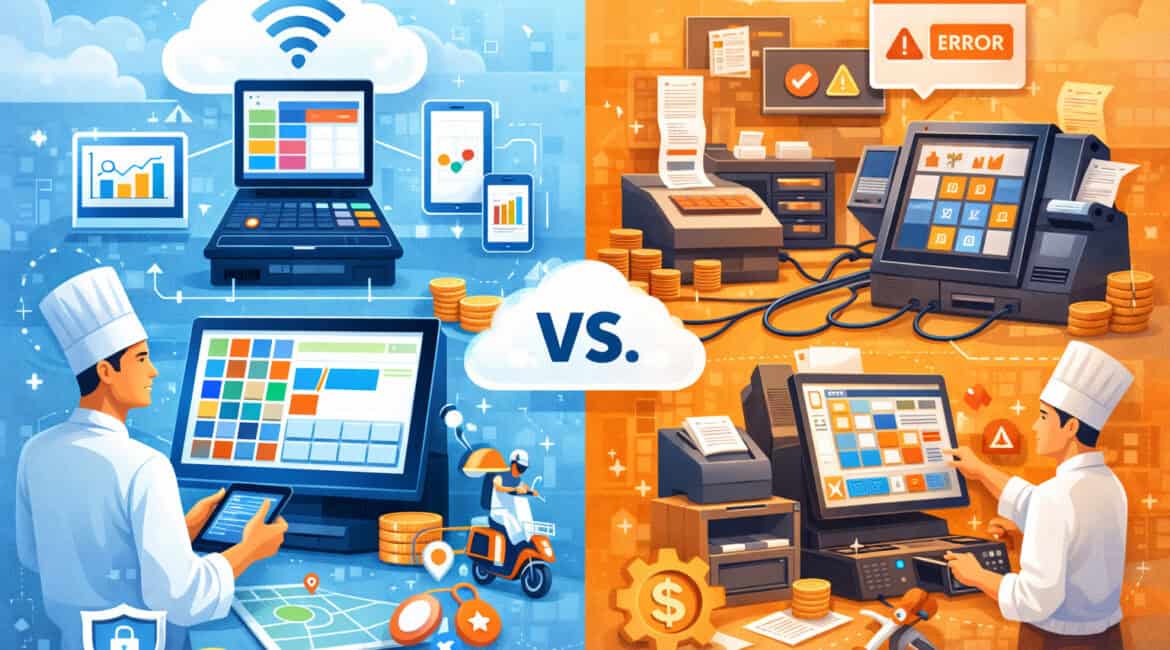
Food service has changed faster in the last five years than in the previous twenty. Guest expectations now assume tap-to-pay, digital receipts, mobile ordering, real-time wait updates, loyalty perks, and consistent service whether the order is dine-in, pickup, delivery, or catering. At the center of all of that is the...
How to Use Cloud Kitchen Software for Multi-Brand Inventory Management
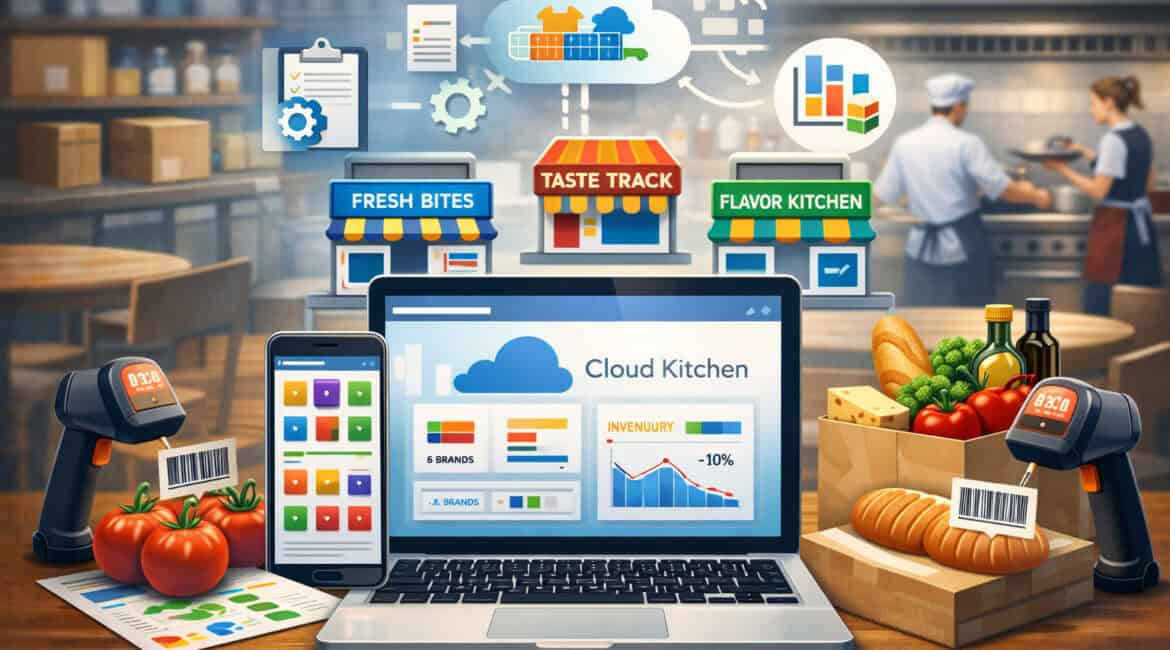
Running multiple virtual brands from one kitchen can be wildly profitable—until inventory turns into chaos. One brand sells spicy chicken bowls, another sells tacos, a third sells smoothies, and suddenly you’re juggling overlapping ingredients, different portion sizes, multiple menus, multiple delivery channels, and constant supplier price changes. That’s exactly where...
Why Cloud POS Systems are Essential for Scaling Your Food Business
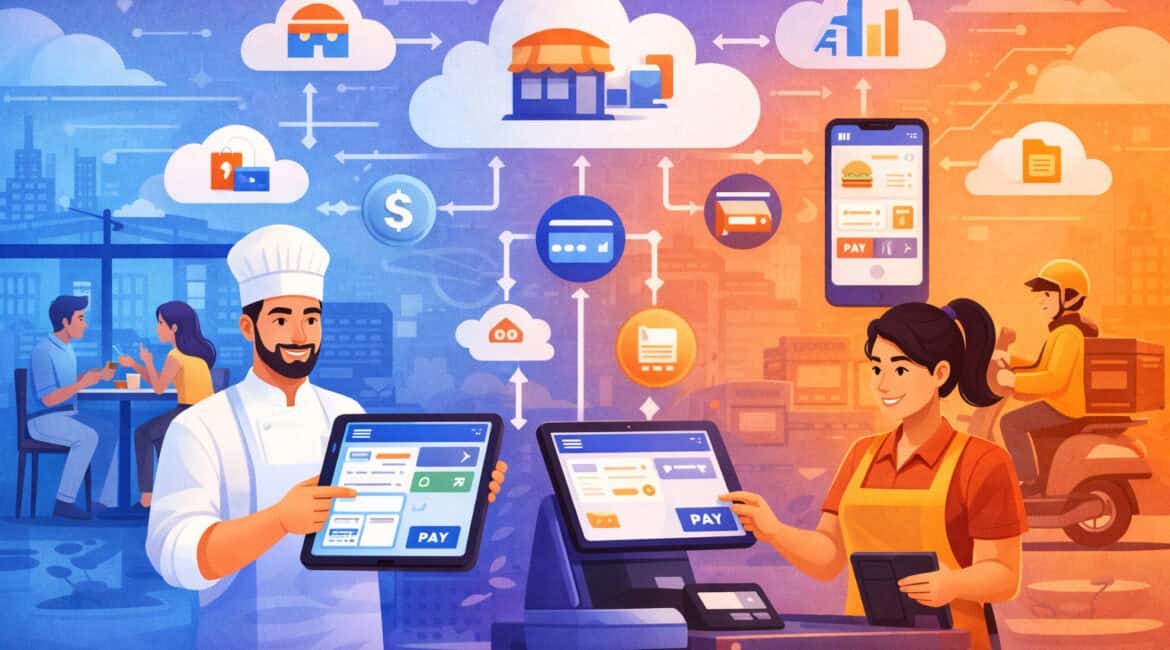
Scaling a food business is less about “opening another location” and more about repeating a great experience—at speed—without losing margin, quality, or control. The moment you add new channels (online ordering, delivery marketplaces, catering), new service models (counter service, kiosk, QR ordering), or new sites (second kitchen, pop-up, franchise), the...
Integrating Your POS with Inventory Software: A Step-by-Step Guide
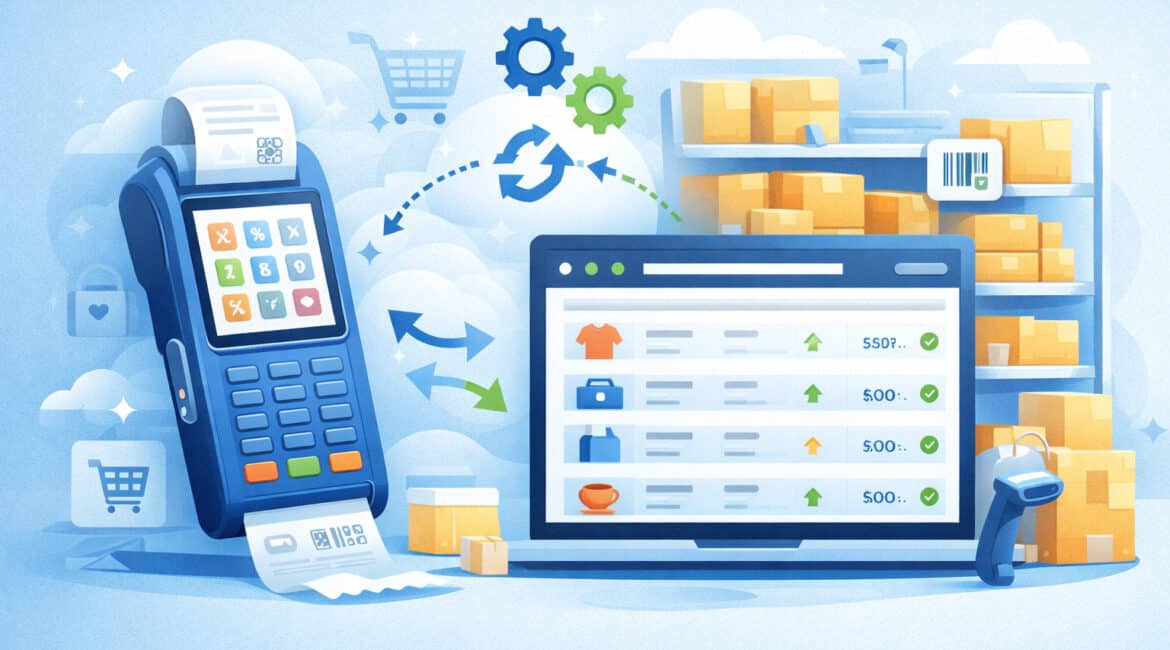
POS inventory integration is one of the fastest ways to eliminate stockouts, reduce dead stock, stop manual re-keying, and get real-time visibility across stores, warehouses, and online channels. When POS inventory integration is done correctly, every sale, return, purchase order, transfer, and adjustment updates inventory counts automatically—so your on-hand, available,...
How Cloud Tools Simplify Food Safety Compliance
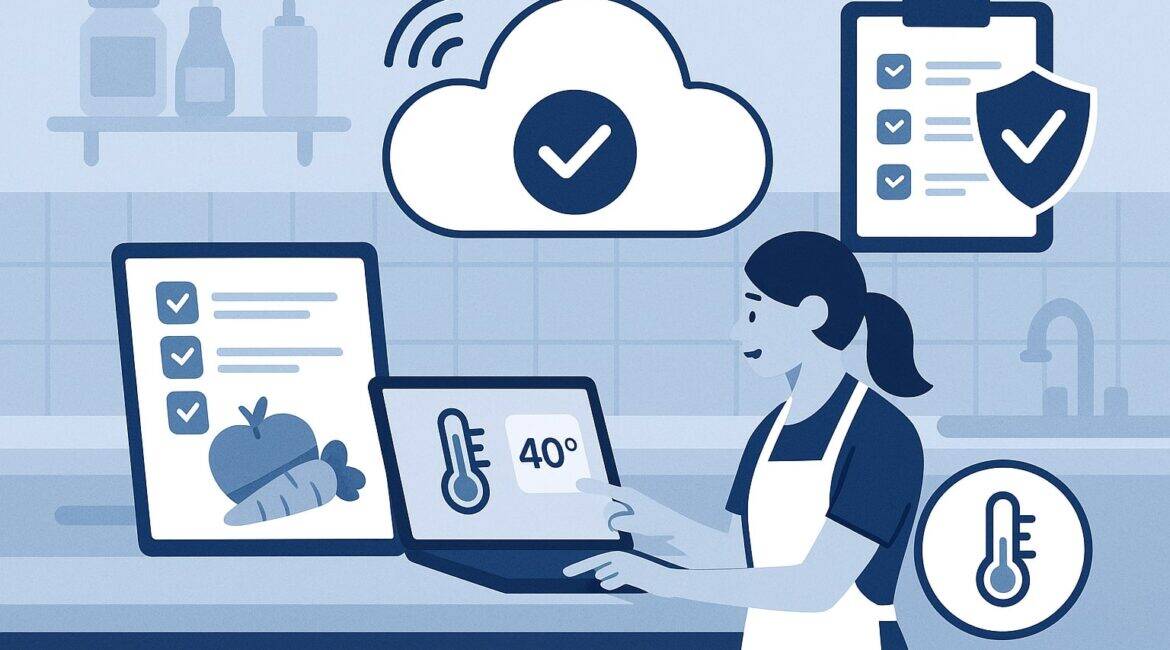
Food safety compliance is critical for protecting consumers and meeting regulations, and cloud computing is transforming how companies achieve it. In the United States, laws like the FDA’s Food Safety Modernization Act (FSMA) require food businesses to maintain detailed records and traceability of high-risk foods. Cloud-based tools – including HACCP...