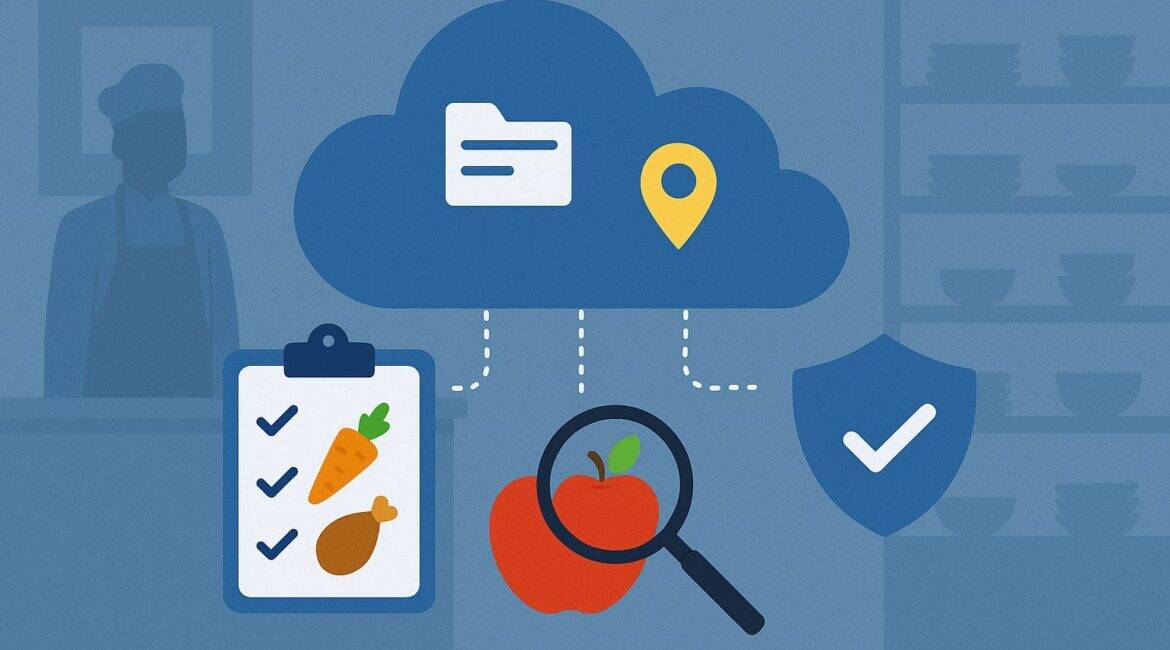
Cloud-based food management systems are transforming how restaurants and food businesses handle safety compliance. These platforms move critical food safety tasks into the cloud, offering digital tools for temperature tracking, checklists, documentation, and analytics. By replacing paper logs and manual processes, cloud food management software helps businesses maintain up-to-date records...
Integrating Food Cost Tracking with POS Systems
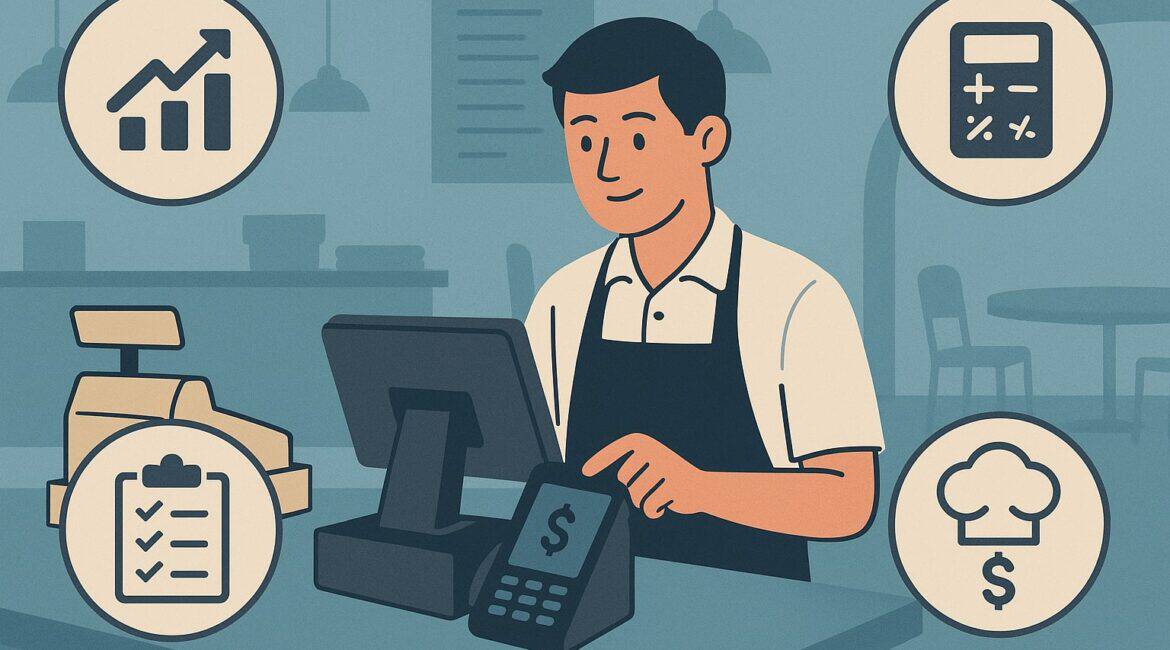
Integrating food cost tracking with POS systems is a game-changer for restaurants and other food businesses. In today’s competitive food industry, profit margins are tight, and every ingredient counts. By connecting your point-of-sale (POS) system with food cost tracking tools, you gain real-time visibility into how much each dish truly...
Top Food Cost Tracking Mistakes Restaurants Make
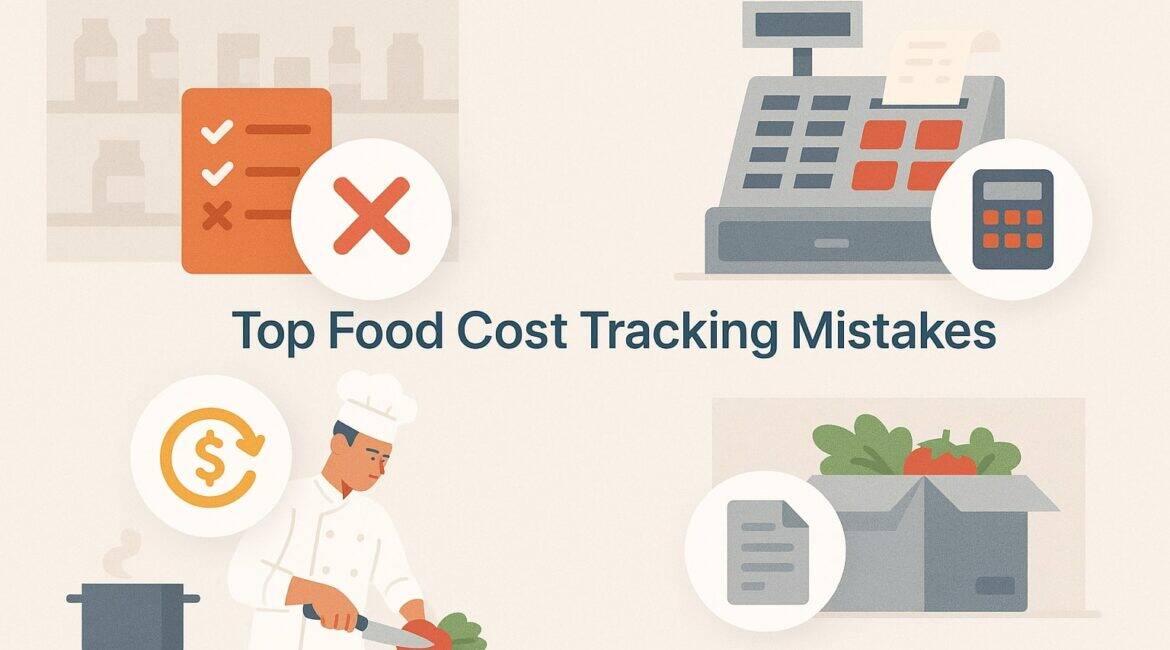
In the fiercely competitive US restaurant industry, tight profit margins mean that every dollar counts. On average, food and labor each account for roughly one-third of a restaurant’s sales, leaving only around a 5% profit margin. Small mistakes in tracking food costs can thus make the difference between profit and...
How to Calculate Food Costs with Cloud-Based Tools
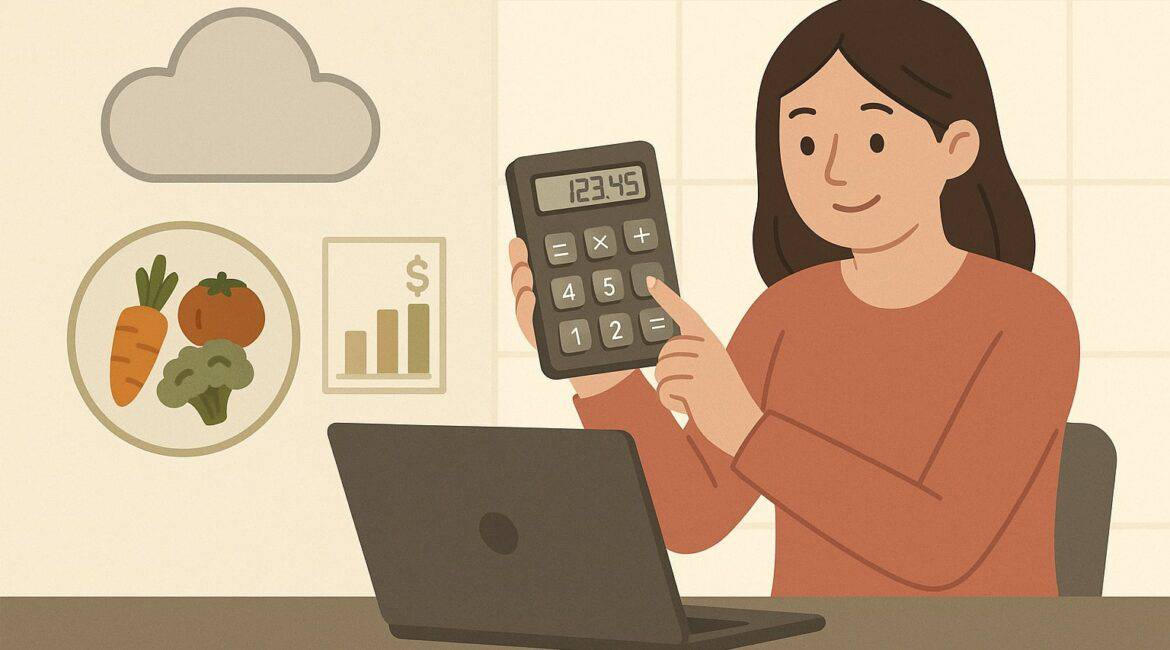
Calculating food costs is a fundamental task for any food business. Whether you run a full-service restaurant, a food truck, or a catering business, understanding your food cost helps ensure profitability. In simple terms, food cost is the money you spend on ingredients compared to the revenue you earn from...
Reducing Food Waste with Food Cost Analytics

Reducing food waste has become a critical goal for businesses, governments, and consumers in the US. Up to 30–40% of the food supply in America is wasted at various stages of the supply chain – from farms and factories to grocery stores, restaurants, and households. This waste not only represents...
What Is Food Cost Tracking Software and How Does It Work?
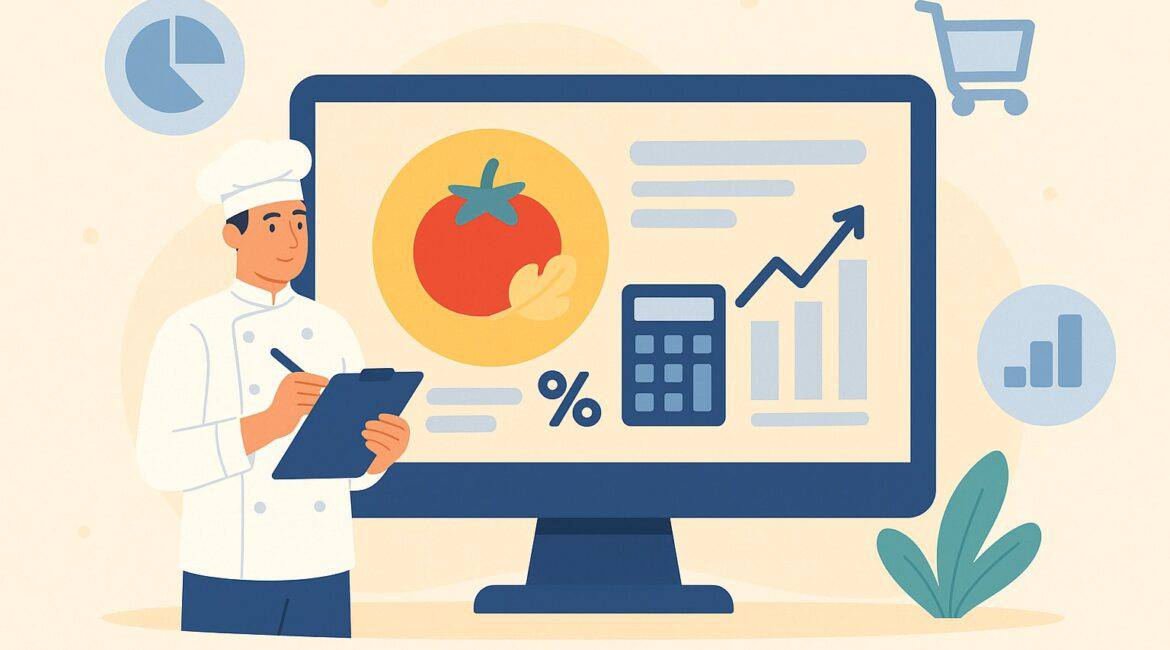
Food cost tracking software is a specialized digital tool designed for restaurants, catering services, food trucks, and institutional kitchens to monitor and control how much they spend on ingredients and menu items. It automates the process of recording ingredient purchases, tracking inventory usage, and calculating the exact cost of each...
How Food Service Management Tools Improve Staff Scheduling

Food service management tools have become indispensable for efficient staff scheduling in the hospitality industry. These food service management tools typically include restaurant point-of-sale (POS) systems, cloud-based workforce management platforms, and specialized scheduling applications that help plan and manage employee shifts. In a fast-paced environment with fluctuating customer demand and...
Cloud vs. On-Premise Food Service Software: Pros and Cons
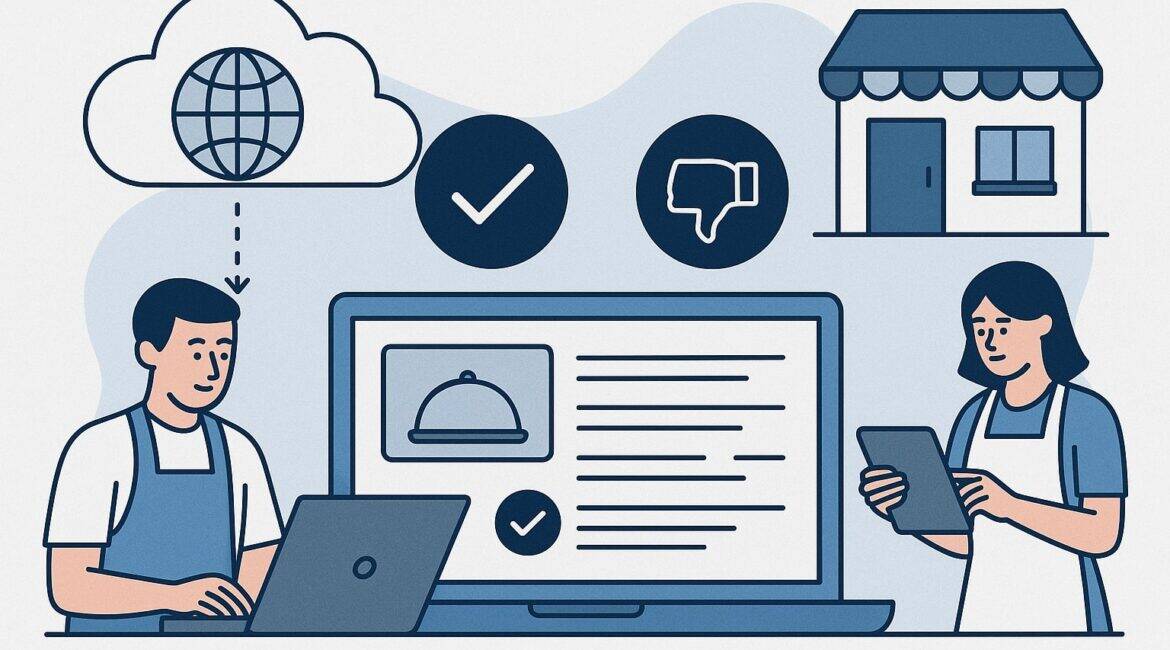
Restaurant and food service businesses rely heavily on software to manage operations like point-of-sale (POS), inventory, orders, and customer management. A key decision is whether to use cloud-based (hosted online) or on-premise (locally installed) software. This Cloud vs. On-Premise Food Service Software comparison explains both approaches, highlighting their advantages and...
Best Food Service Software for Small and Mid-Sized Restaurants

Choosing the right food service software can transform the way a small or mid-sized restaurant operates. Modern restaurants rely on integrated software solutions to handle point-of-sale (POS) transactions, inventory tracking, table reservations, online/mobile ordering, and more. These tools streamline operations, reduce errors, and give owners real-time visibility into sales and...
What Is Food Service Management Software? A Beginner’s Guide
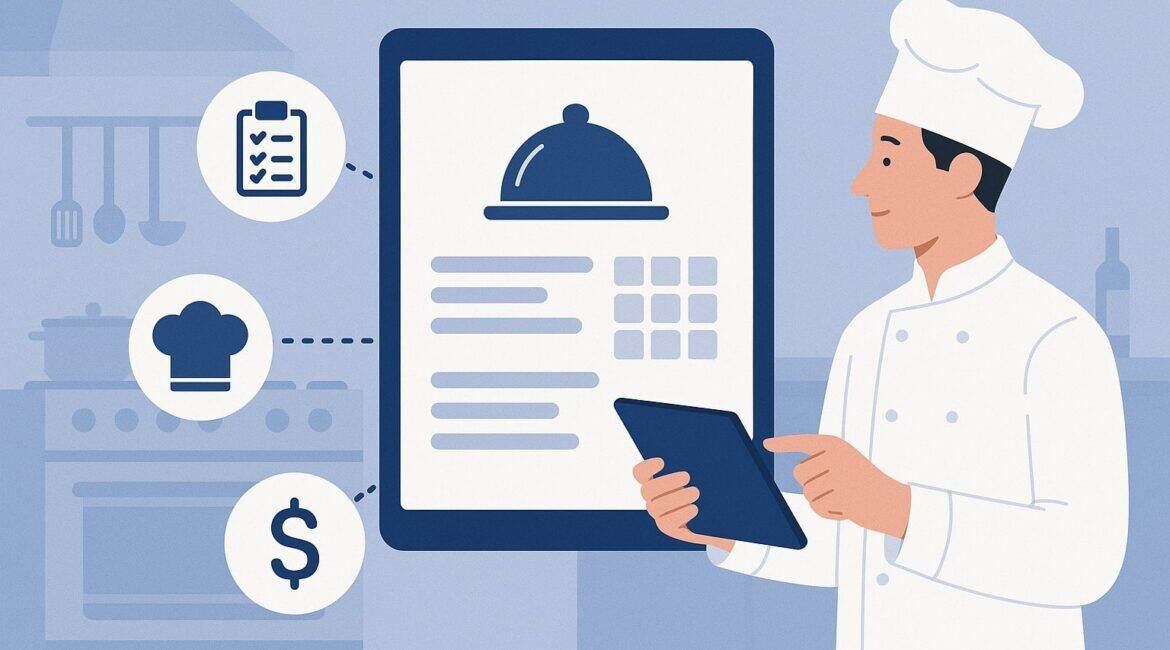
A restaurant bar interior illustrating a typical food service environment. Food Service Management Software (FSMS) is a technology solution that helps establishments in the food and beverage industry automate processes, streamline operations, and improve efficiency. In practical terms, FSM software (sometimes called a restaurant management system or foodservice software) integrates...